
Blog
Navratri Dry Fruits 2026: What to Eat, Recipes and Fasting Combos

Key Takeaways
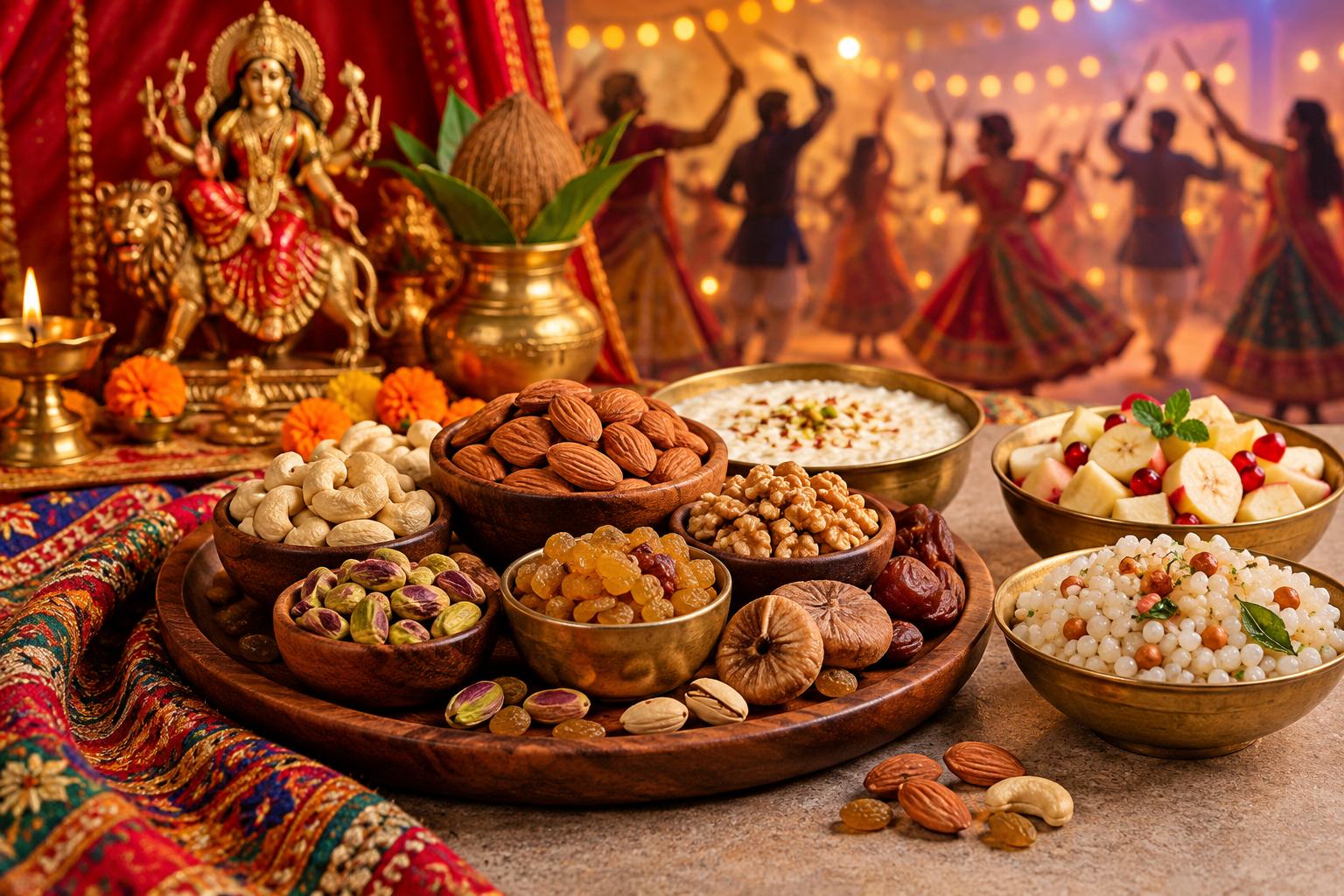
- Dry fruits for Navratri are a practical, fasting-friendly way to stay energised through nine days of vrat, since most fasting traditions allow nuts and dried fruits.
- Almonds, cashews, walnuts, raisins, and dates are among the most commonly eaten dry fruits during Navratri fasting.
- Simple farali recipes, like dry fruit kheer, laddoo, and trail mix, make it easy to add variety to your fasting meals.
- Portion control still matters during fasting — dry fruits are calorie-dense, so moderate servings work better than large quantities.
- Fasting customs vary by region, family, and personal health, so it’s worth checking what’s followed in your own household, and speaking with a doctor if you’re managing a health condition.
Sharad Navratri 2026 runs from Sunday, October 11 to Monday, October 19, with Vijayadashami on October 20. For the millions who observe some form of vrat during these nine days, planning meals in advance makes the fasting period far more manageable.
Dry fruits for Navratri are one of the easiest categories to plan around, since most fasting traditions allow them, they need no cooking, and they offer a genuine energy lift between meals. This article covers which dry fruits are typically eaten during Navratri, simple farali recipes to try, and practical snack combos for all nine days.
What Dry Fruits Can You Eat During Navratri Fasting?
Most Navratri fasting traditions allow nuts and dried fruits, since they fall outside the grains, lentils, and regular table salt that are typically avoided during vrat. Almonds, cashews, walnuts, raisins, dates, and dried figs are commonly eaten across most fasting styles.
That said, fasting customs vary quite a bit by region, family tradition, and personal practice. Some households also include foxnuts (makhana) and coconut alongside dry fruits as part of their farali spread. It’s always worth checking what’s followed in your own family, since strictness and specific rules differ from one household to the next.
Why Dry Fruits Are Ideal for Navratri Fasting
Fasting for nine days, especially while continuing with work and daily responsibilities, means the body needs a steady, reliable source of nutrition between meals. Dry fruits offer natural carbohydrates, fibre, and healthy fats in a small, convenient package, which can help you feel more sustained through the day.
Unlike many fried farali snacks, a small portion of dry fruits is also easier on digestion, since they don’t require heavy oil or deep frying. Our article on dry fruits for energy covers more on how they fit into an active, demanding routine, which applies just as well during a fasting period.
Best Dry Fruits for Navratri Vrat
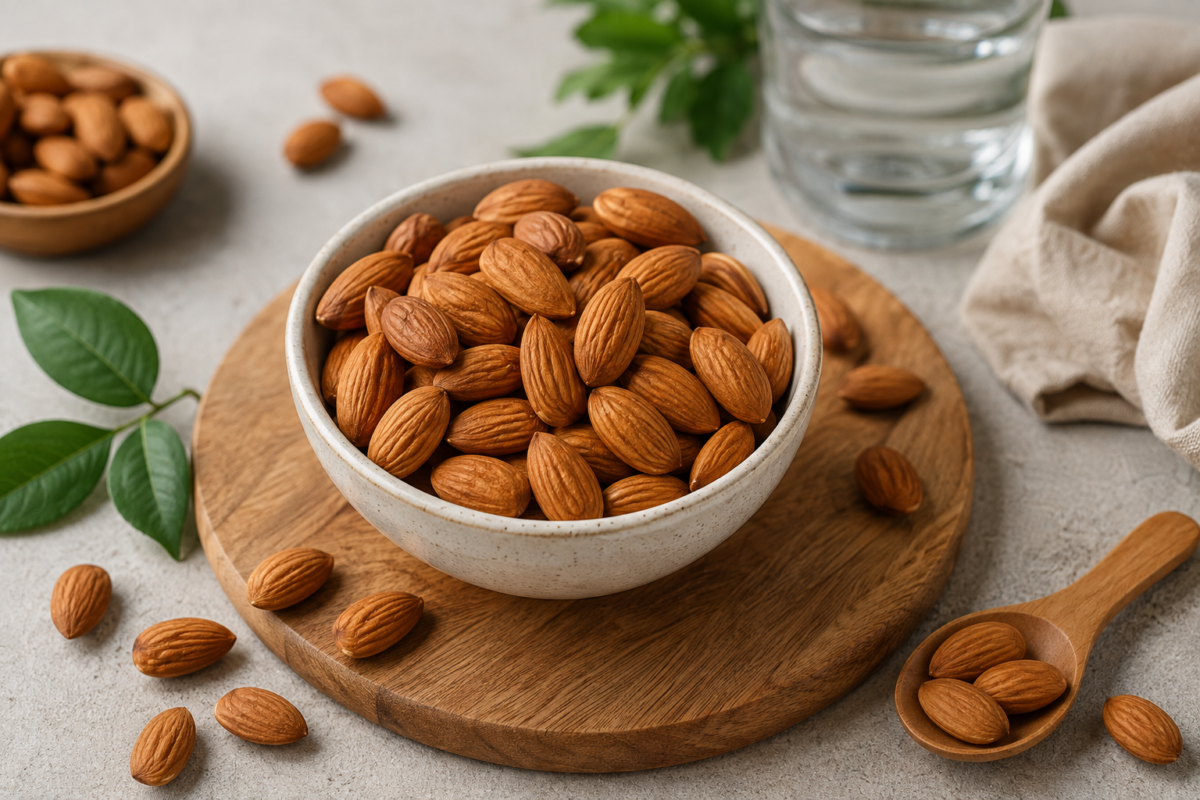
Almonds
Almonds are a fasting-friendly staple, offering protein, fibre, and healthy fats in a small handful. They’re easy to eat on their own or add to a farali kheer or milkshake. Our almonds are worth stocking up on ahead of the festival, and our article on how many almonds you should eat daily covers sensible portions.
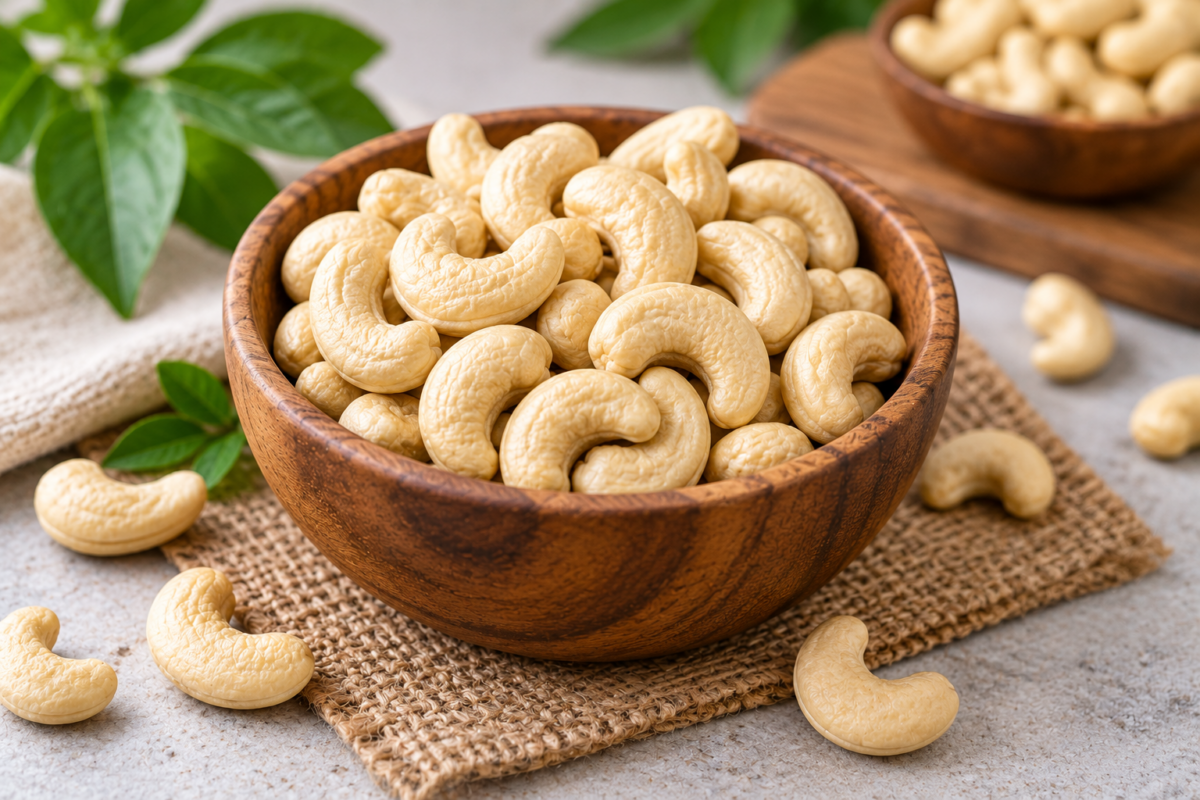
Cashews
Cashews bring a creamy texture that works particularly well in farali kheer and milkshakes, along with healthy fats and minerals. Browse our cashews for a soft, versatile nut to keep on hand through the nine days.
Walnuts
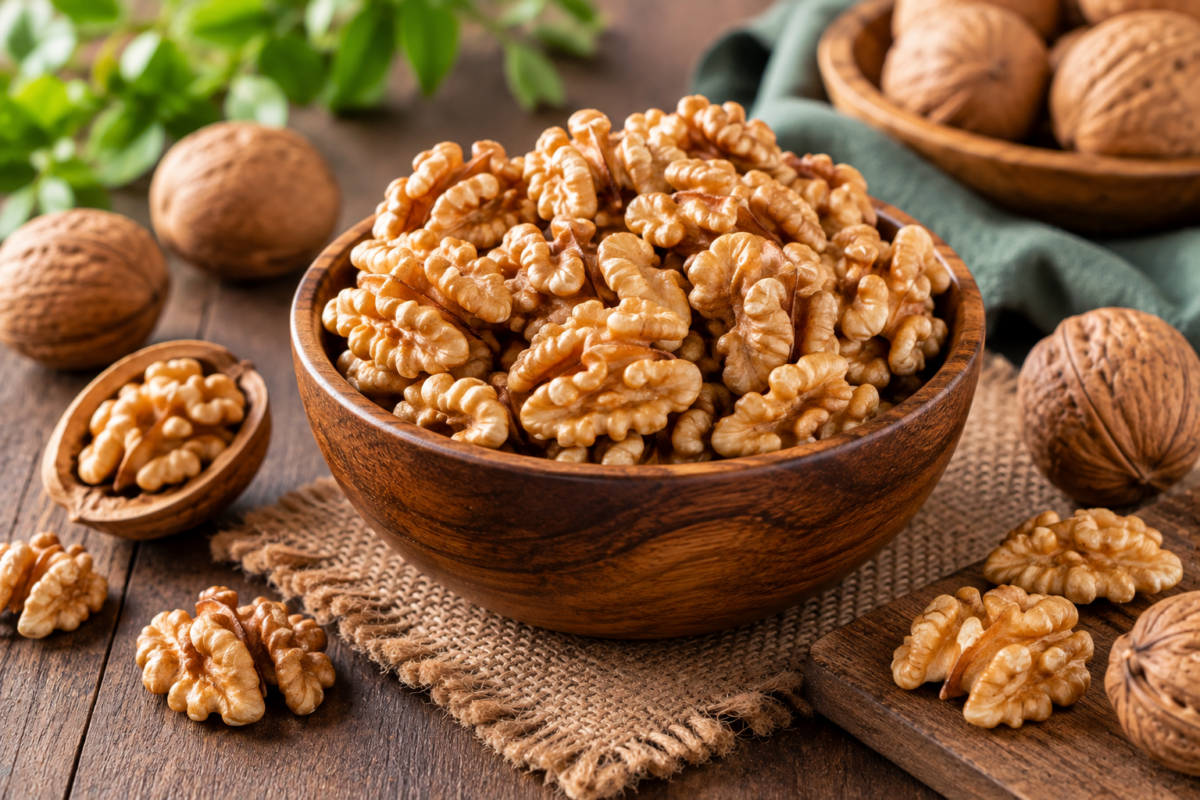
Walnuts add a satisfying crunch and a dose of omega-3 fatty acids, making them a good addition to a farali trail mix or eaten on their own between meals. Our California Walnut Kernels are a fresh option to try this Navratri.
Raisins
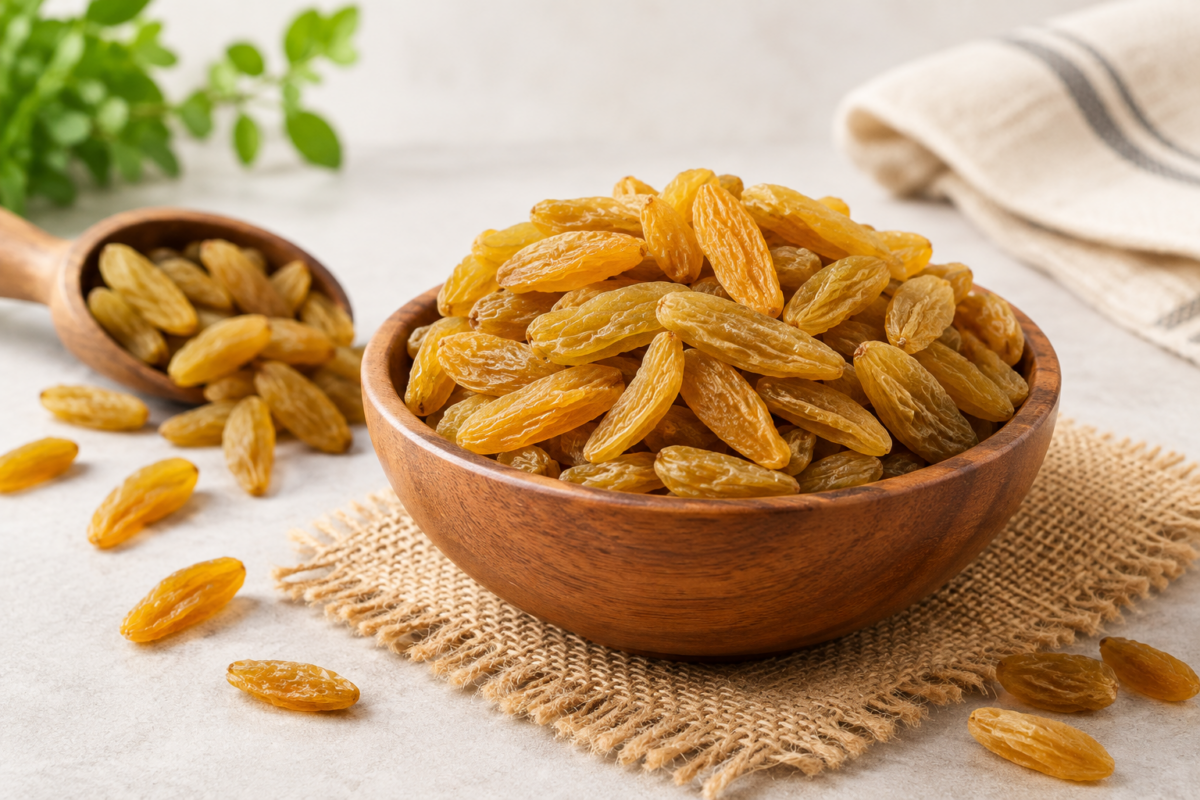
Raisins are naturally sweet and require no preparation, making them one of the easiest dry fruits to keep on hand throughout the festival. Our Indian Long Raisins work well stirred into kheer, milkshakes, or eaten on their own.
Dates
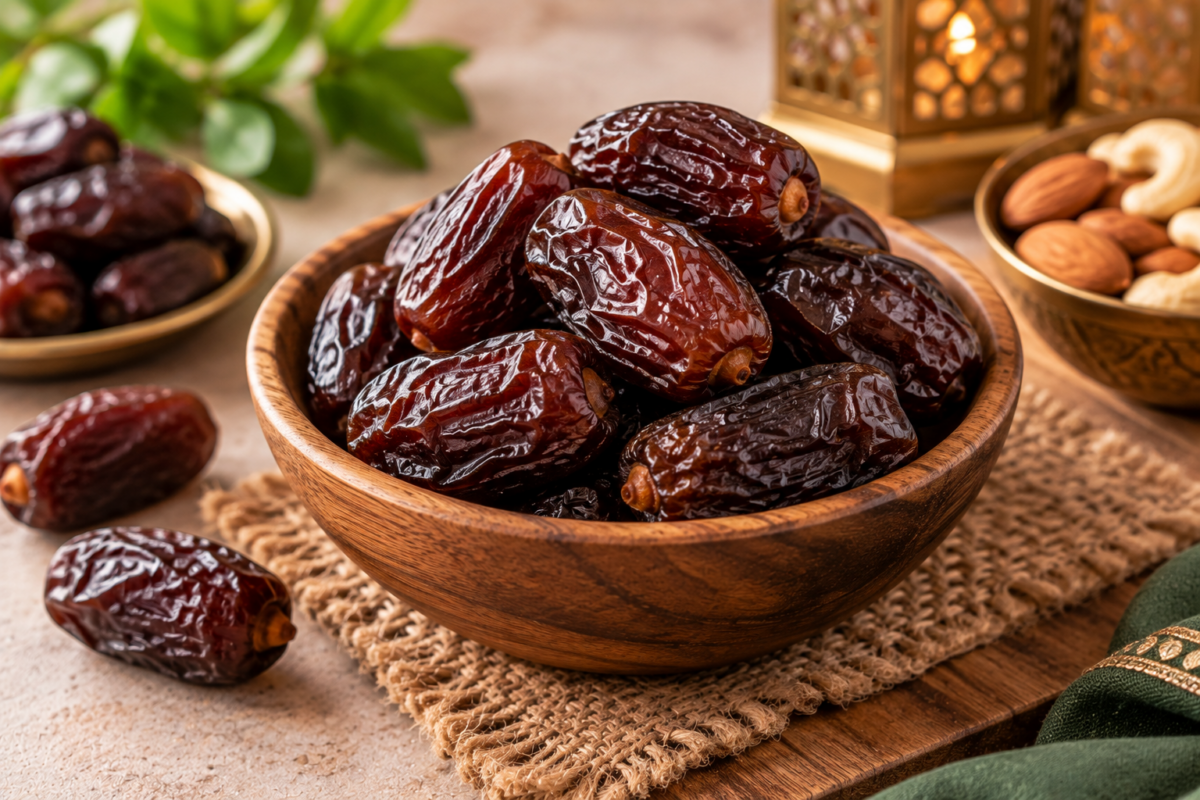
Dates offer natural sweetness and fibre, and are a popular way to curb a sugar craving without reaching for anything processed. Our Ajwa Dates are a good choice, and pair especially well with nuts in a quick farali energy bite.
Dried Figs and Apricots
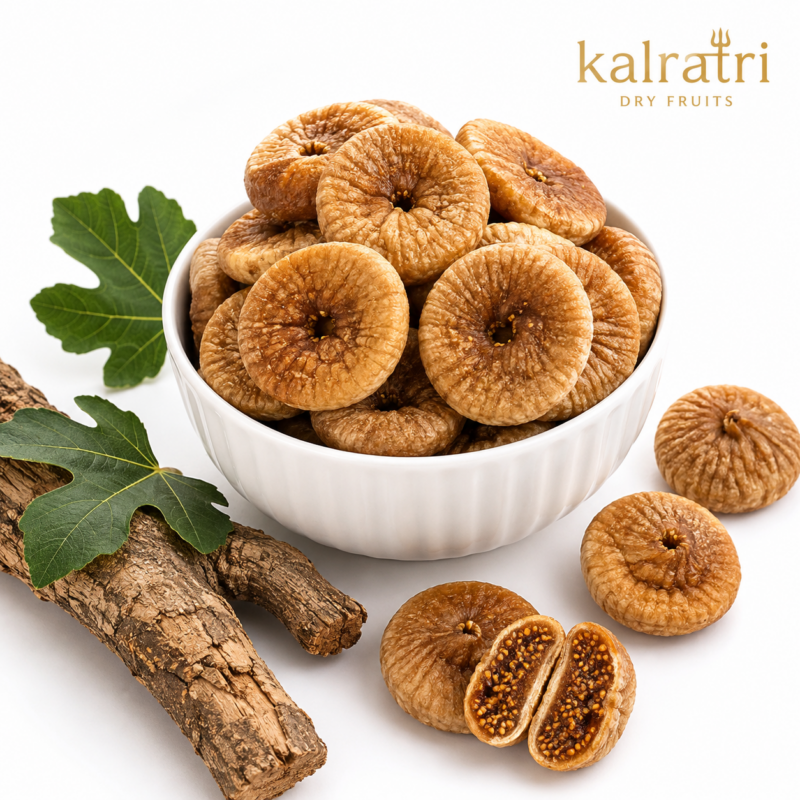
Dried figs and apricots add fibre and natural sweetness to farali recipes, and can be soaked overnight for a softer texture. Explore our range of dried fruits to find both, along with a few other options worth trying.
Farali Dry Fruit Recipes for Navratri
A few simple recipes make it easy to bring more variety to your fasting meals without much extra effort. Each one uses ingredients that fit most Navratri fasting traditions, though it’s worth checking against your own household’s rules before you start.
Farali Dry Fruit Kheer
This creamy, lightly sweet kheer makes a satisfying evening treat or a light meal during vrat, and takes barely 20 minutes from start to finish.
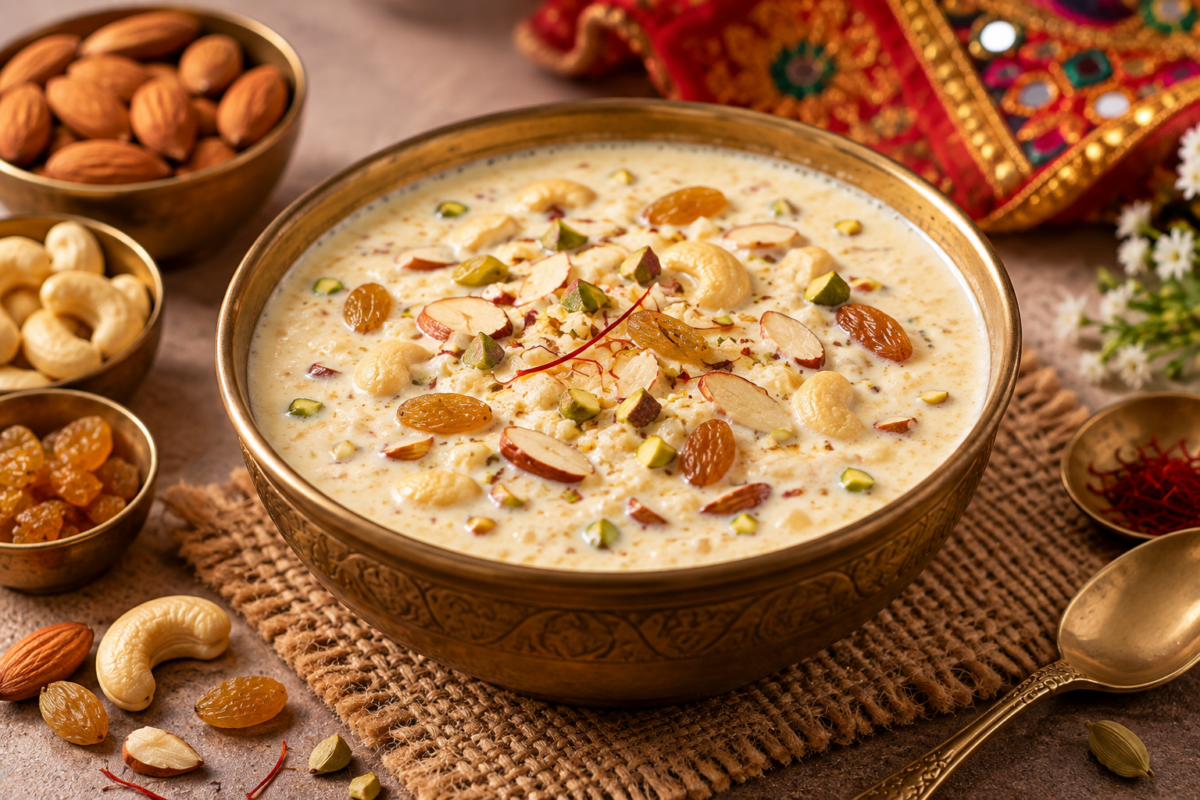
Serves: 2–3 Ingredients:
- 500 ml full-fat milk
- 8–10 almonds, roughly chopped
- 8–10 cashews, roughly chopped
- A small handful of raisins
- 2 tablespoons sugar or jaggery (as permitted in your fasting tradition)
- A pinch of cardamom powder
- A few strands of saffron (optional)
Method:
- Bring the milk to a gentle boil in a heavy-bottomed pan, then lower the heat to a simmer.
- Add the chopped almonds, cashews, and raisins, and let the mixture simmer for 12–15 minutes, stirring occasionally so the milk doesn’t stick to the bottom.
- Once the milk has thickened slightly, stir in the sugar or jaggery and cardamom powder.
- Simmer for another 2–3 minutes, then switch off the heat and add the saffron strands if using.
- Serve warm, or chill in the refrigerator for a cooler evening treat.
Farali Trail Mix
A ready-to-eat jar of this trail mix means you always have something to reach for between meals, without turning to fried farali snacks.
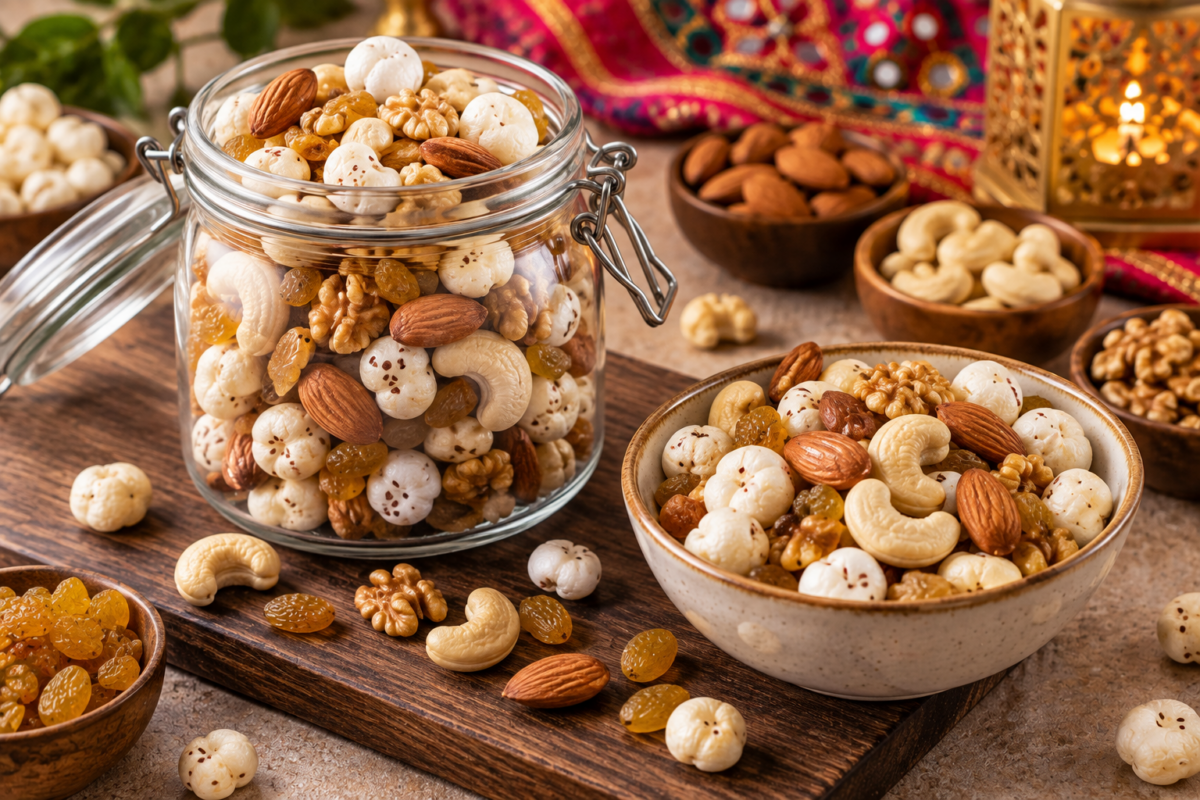
Serves: Makes about 4–5 snack portions Ingredients:
- 1 cup roasted makhana (foxnuts)
- ¼ cup almonds
- ¼ cup cashews
- ¼ cup walnuts, broken into halves
- ¼ cup raisins
- A pinch of sendha namak (rock salt), optional, if permitted in your tradition
Method:
- If your makhana isn’t pre-roasted, dry roast it in a pan on low heat for 5–6 minutes until it turns light and crisp, then let it cool completely.
- Combine the roasted makhana with the almonds, cashews, walnuts, and raisins in a large mixing bowl.
- Sprinkle over a pinch of rock salt if you’d like a savoury edge, and toss everything together.
- Transfer to an airtight jar and portion into small bags or containers for easy, grab-and-go snacking through the day.
Dry Fruit and Date Energy Bites
These no-cook bites are ideal for busy fasting days when you need something quick that still feels substantial.
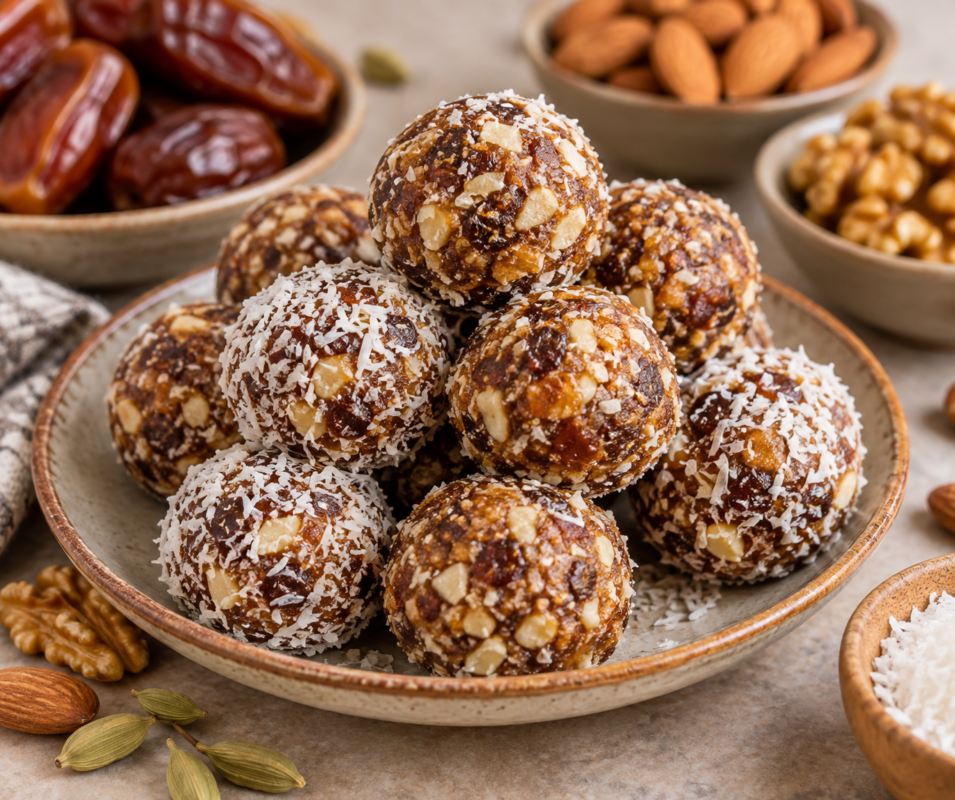
Serves: Makes about 10–12 bites Ingredients:
- 1 cup soft, pitted dates
- ½ cup almonds
- ½ cup walnuts
- A pinch of cardamom powder
- 1 tablespoon desiccated coconut, for coating (optional)
Method:
- If your dates feel firm, soak them in warm water for 15 minutes, then drain well.
- Add the dates, almonds, and walnuts to a food processor or blender, and pulse until the mixture comes together into a coarse, sticky dough. Avoid over-blending into a smooth paste.
- Stir in the cardamom powder by hand.
- Roll the mixture into small, bite-sized balls using your palms.
- Roll each ball in desiccated coconut for a lightly sweet coating, if using.
- Store in an airtight container in the refrigerator for up to a week.
Farali Milkshake with Dry Fruits
This filling, naturally sweet drink works well as a light morning meal if your household observes a single evening meal during the fast.
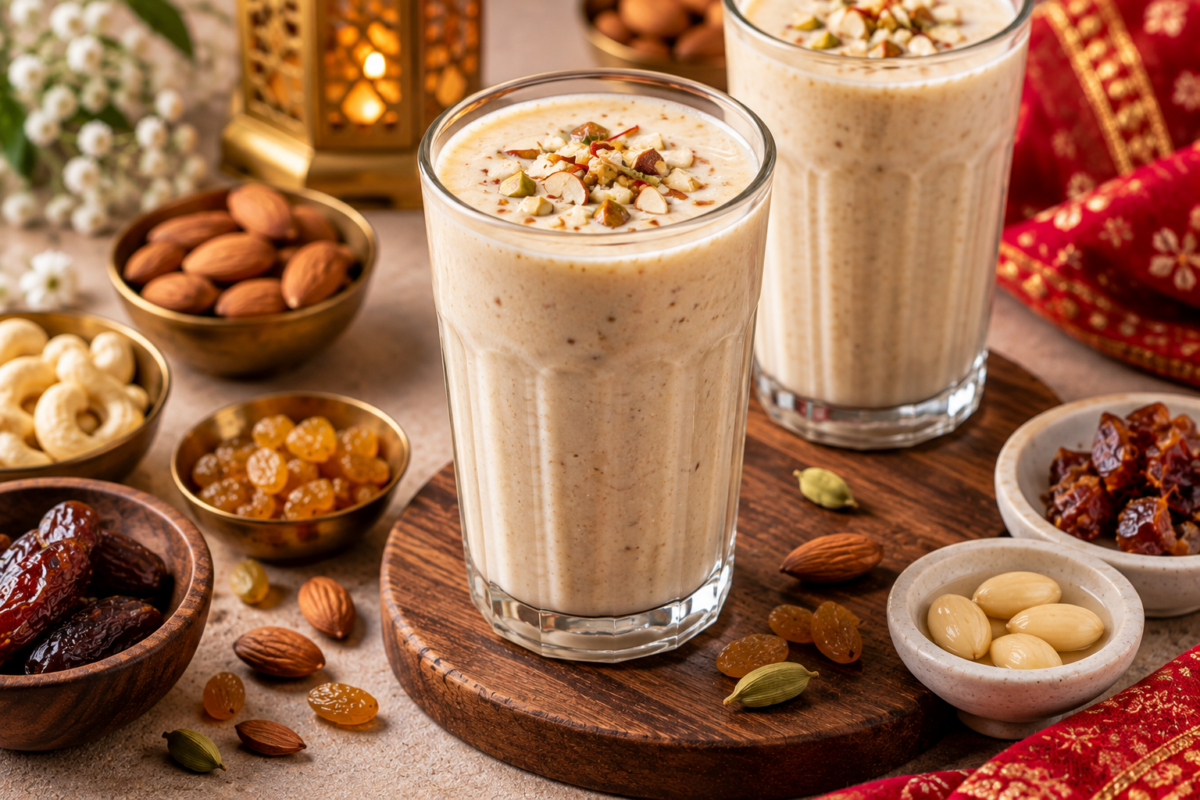
Serves: 1–2 Ingredients:
- 300 ml chilled milk
- 5–6 almonds, soaked and peeled
- 2 dates, pitted and roughly chopped
- A small handful of raisins
- A pinch of cardamom powder
- Ice cubes, optional
Method:
- Add the soaked almonds, chopped dates, and raisins to a blender along with the milk.
- Blend on high speed for 1–2 minutes until completely smooth.
- Add the cardamom powder and blend again briefly to combine.
- Pour over ice if you’d like it chilled, and serve immediately.
Our article on how to eat dry fruits for breakfast has more ideas along these lines for non-fasting days too.
Dry Fruit and Coconut Laddoo
These naturally sweet laddoos skip refined sugar and grains altogether, relying on dates for sweetness instead.
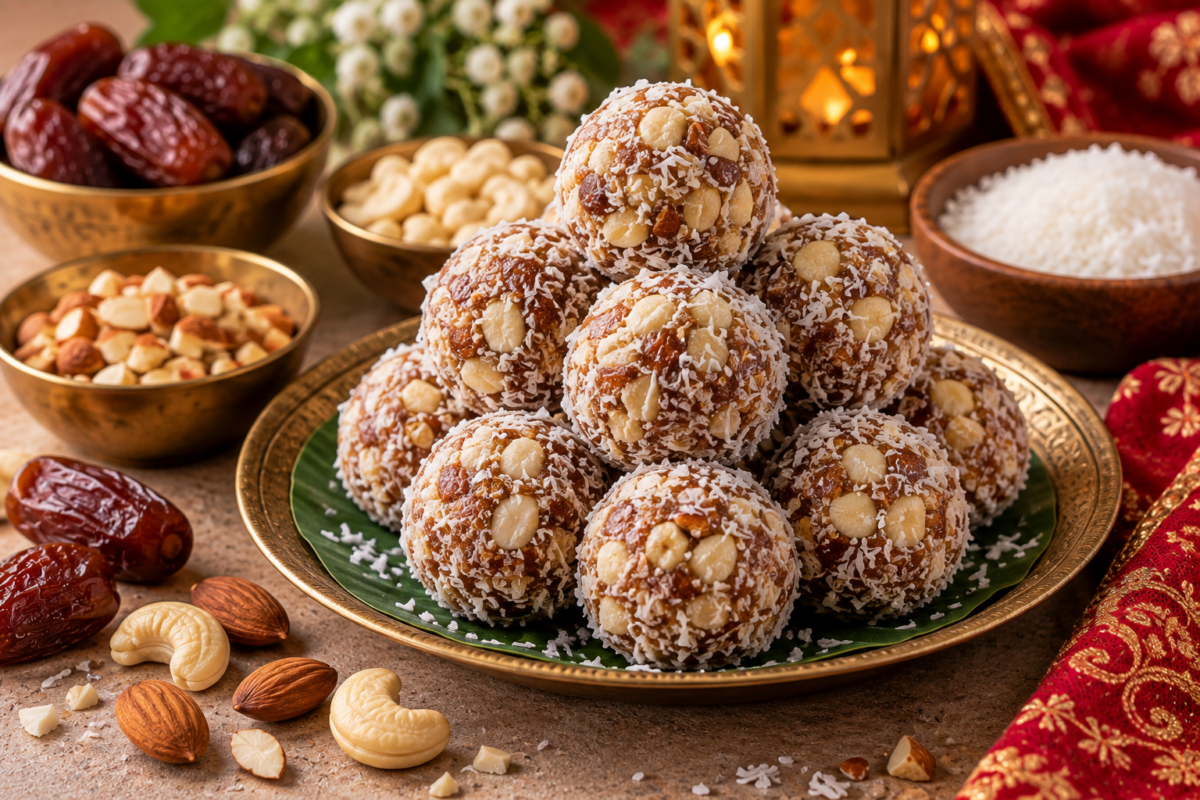
Serves: Makes about 10–12 laddoos Ingredients:
- 1 cup finely chopped dates
- ½ cup desiccated coconut, plus extra for rolling
- ¼ cup almonds, finely chopped
- ¼ cup cashews, finely chopped
- 1 tablespoon ghee
Method:
- Heat the ghee in a pan on low heat, then add the chopped dates.
- Cook, stirring continuously, for 3–4 minutes until the dates soften into a sticky mass.
- Remove from heat and stir in the desiccated coconut, chopped almonds, and cashews.
- Let the mixture cool slightly until it’s safe to handle, then roll into small, round laddoos.
- Roll each laddoo in a little extra desiccated coconut for a finished look.
- Store in an airtight container at room temperature for up to 4–5 days.
Nine-Day Navratri Dry Fruit Snack Plan
Planning a rough snack combo for each day can make the nine days feel far more manageable, especially if you’re balancing fasting with work or daily errands.
| Day | Suggested Dry Fruit Combo |
| Day 1 | Soaked almonds and a glass of milk |
| Day 2 | Farali trail mix (makhana, almonds, raisins) |
| Day 3 | Dry fruit and date energy bites |
| Day 4 | Farali milkshake with almonds and dates |
| Day 5 | Cashews and walnuts with a piece of fruit |
| Day 6 | Farali dry fruit kheer |
| Day 7 | Dried figs and apricots, soaked overnight |
| Day 8 | Dry fruit and coconut laddoo |
| Day 9 | A light mix of all your favourites to close out the fast |
Feel free to swap these around based on what you enjoy and what your household typically eats during vrat — this is meant as a starting point, not a strict plan.
How to Include Dry Fruits Safely During Navratri Fasting
A few simple habits help you enjoy dry fruits through the festival without overdoing it.
- Watch your portions: Dry fruits are calorie-dense, so a small handful per snack is usually enough, even while fasting.
- Stay hydrated: Pair dry fruit snacks with enough water or milk throughout the day, especially if you’re also managing work or physical activity.
- Buy and store in advance: Stocking up before the festival starts saves time later. Our article on how to store dry fruits and nuts covers how to keep them fresh for the full nine days and beyond.
- Check with a doctor if needed: If you’re managing diabetes, are pregnant, or have any other health condition, it’s worth speaking with a doctor before undertaking an extended fast.
Some people also find it helpful to plan their daily fasting snacks ahead of the festival. Lightweight tools such as Time Miner, which help track daily eating habits, can make it easier to stay consistent across all nine days rather than deciding meal by meal.
A Note on Weight and Fasting
Navratri fasting is a spiritual and cultural observance first, not a weight loss method, and it’s worth approaching it that way rather than as a shortcut. If portion control and mindful snacking are also a personal goal of yours, our article on dry fruits for weight management covers this topic separately, outside the context of fasting.
Explore Navratri-Ready Dry Fruits from Kalratri
If you’re stocking up for the festival, our nuts collection, dried fruits collection, and range of dates cover most of what you’ll need for farali recipes and everyday snacking through the nine days. For a lighter, low-effort snack option, our article on dry fruits for digestion is also worth a read, since gentle, fibre-friendly foods are especially useful during an extended fast.
Conclusion
Dry fruits for Navratri offer a simple, fasting-friendly way to stay nourished through the nine days, whether eaten on their own, blended into a milkshake, or shaped into a quick laddoo. With a little planning and moderate portions, they can make the festival’s fasting period considerably easier to manage.
If you’re getting ready for Navratri 2026, explore our range of almonds, cashews, walnuts, dates, and dried fruits from Kalratri Dry Fruits, and stock up ahead of the festival for a smoother nine days.
FAQs
Q.1 Can we eat dry fruits during Navratri fasting?
A: Yes, most Navratri fasting traditions allow dry fruits like almonds, cashews, walnuts, raisins, and dates, since they fall outside the grains and lentils typically avoided during vrat.
Q.2 Which dry fruits are best for Navratri vrat?
A: Almonds, cashews, walnuts, raisins, and dates are among the most commonly eaten dry fruits during Navratri, along with dried figs and apricots.
Q.3 Can dry fruits replace a full meal during fasting?
A: Dry fruits work best as a snack or addition to a farali meal, rather than a complete replacement for one. Pairing them with milk, fruit, or a farali dish makes for a more balanced meal.
Q.4 How many dry fruits should I eat daily during Navratri?
A: A small handful, similar to a normal daily snacking portion, is reasonable, since dry fruits are calorie-dense even during fasting.
Q.5 Are dry fruit recipes healthier than fried farali snacks?
A: Dry fruit-based recipes like kheer, laddoo, and trail mix generally involve less oil than deep-fried farali snacks, though moderation still matters with either option.