
Blog
Best Dry Fruits for Weight Management: Healthy Snacking Choices

Key Takeaways
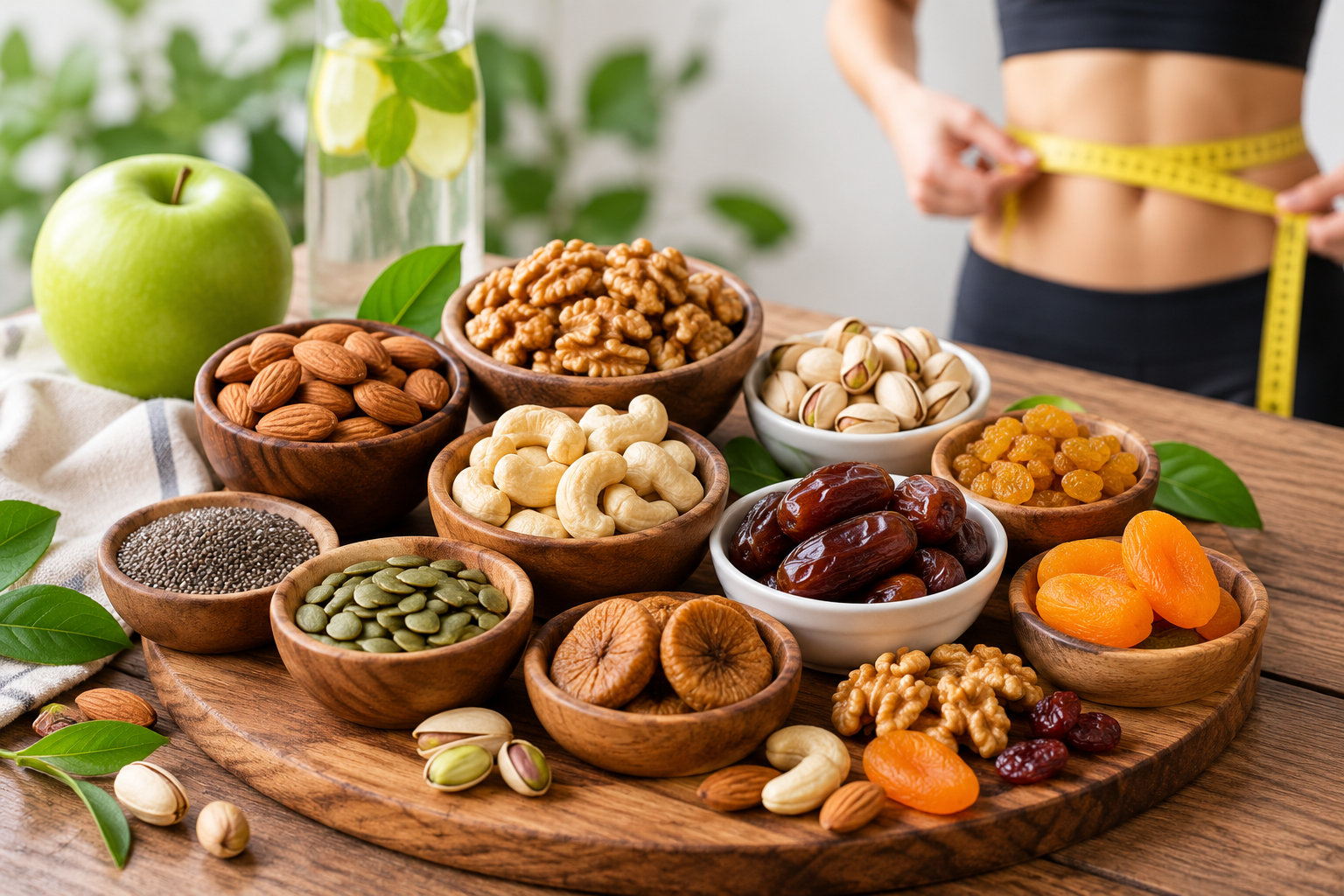
- Dry fruits for weight loss work best when viewed as part of a balanced diet, not as a food that causes weight loss on its own.
- Almonds, walnuts, dried figs, and seeds are among the most practical options, offering fibre, protein, and healthy fats in small portions.
- Portion size matters — dry fruits are calorie-dense, so moderate handfuls are more useful than large servings.
- Timing matters less than consistency — total daily intake has more impact than eating dry fruits at a specific time of day.
- Nuts can be enjoyed in several ways beyond a plain handful, from smoothies to traditional cooking, making it easier to build a sustainable habit.
If you’ve been looking into healthy snacks for weight loss, dry fruits have likely come up more than once. They’re natural, nutrient-dense, and easy to carry, which makes them a popular choice for anyone trying to eat more mindfully.
That said, dry fruits for weight loss aren’t a magic fix. This guide looks at how dry fruits and nuts can fit into a weight management diet, which options are worth prioritising, and how to enjoy them without overdoing it.
Can Dry Fruits Fit into a Weight Management Diet?
Dry fruits can absolutely be part of a weight management diet, mainly because they offer fibre, protein, and healthy fats in a small, satisfying package. This combination can help you feel fuller for longer compared to many processed snacks.
It’s important to be clear, though: no single dry fruit causes or guarantees weight loss. What matters is how they fit into your overall eating pattern — replacing less nutritious snacks, in sensible portions, alongside a generally balanced diet.
Why Portion Size Matters
One thing that often gets overlooked is that dry fruits are calorie-dense. Since most of their water content has been removed, the same volume of dried fruit or nuts contains far more calories than fresh fruit.
This doesn’t mean you should avoid them — it simply means portion-controlled snacks make a real difference. A small handful, rather than an entire bowl, is usually enough to enjoy the benefits without adding unnecessary calories to your day.
Best Time to Eat Dry Fruits for Weight Loss
Many people believe that eating dry fruits first thing in the morning, often soaked and on an empty stomach, works better for weight management. This is a common traditional practice, but there isn’t strong evidence that a specific time of day makes a meaningful difference on its own.
What tends to matter more is your total daily intake and how consistently dry fruits fit into your overall eating pattern. Whether you eat them before breakfast, as a mid-morning snack, or alongside a meal, portion control and consistency matter far more than the exact time on the clock.
Best Dry Fruits and Nuts for Healthy Snacking
A wide range of dry fruits, nuts, and seeds can support a fibre-rich, portion-conscious snacking routine. Here are 15 practical options worth knowing about.
1. Almonds
Almonds are one of the most popular nuts for weight management, offering a mix of protein, fibre, and healthy fats in a small serving. Their satisfying crunch also makes them a genuinely filling snack compared to many packaged alternatives.
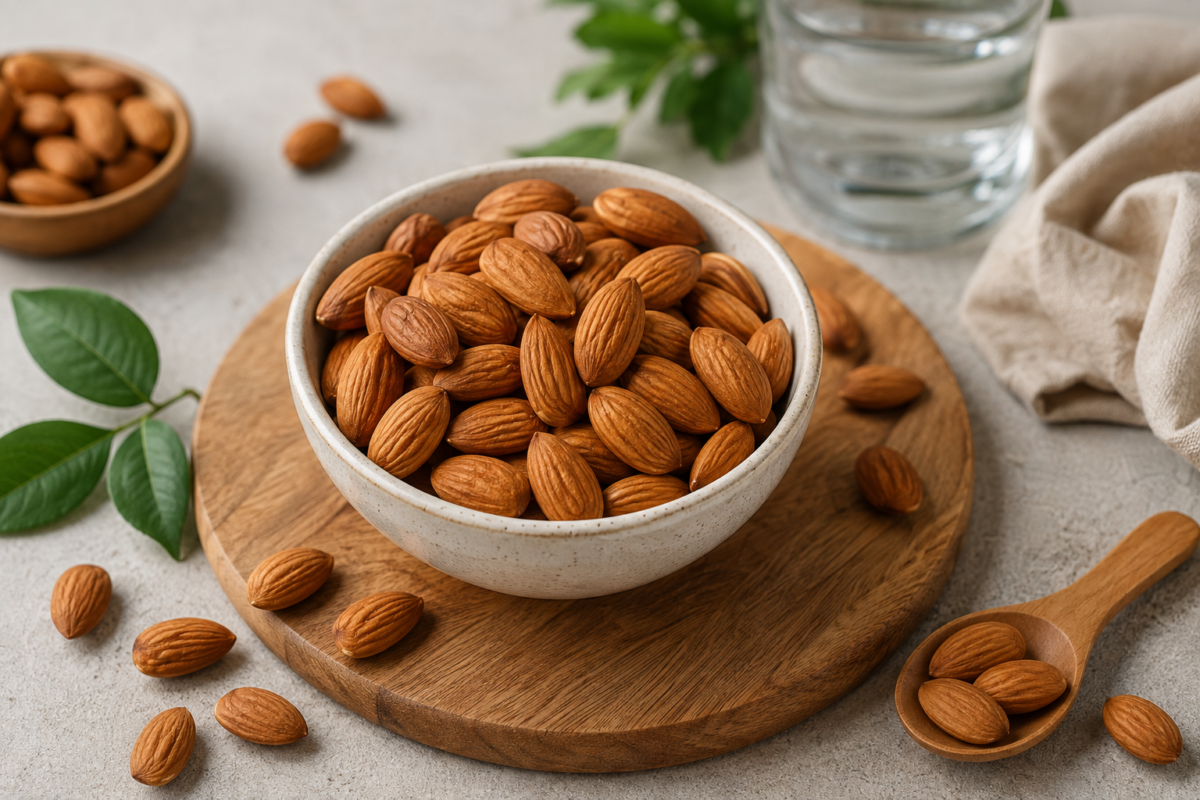
Our range of almonds is a good place to start, and our guide on how many almonds you should eat daily covers sensible portion sizes in more detail.
2. Walnuts
Walnuts stand out for their omega-3 fatty acid content, along with fibre and healthy fats that contribute to a more balanced snack. Their satiating quality makes them a popular choice for anyone building a portion-controlled snacking habit.
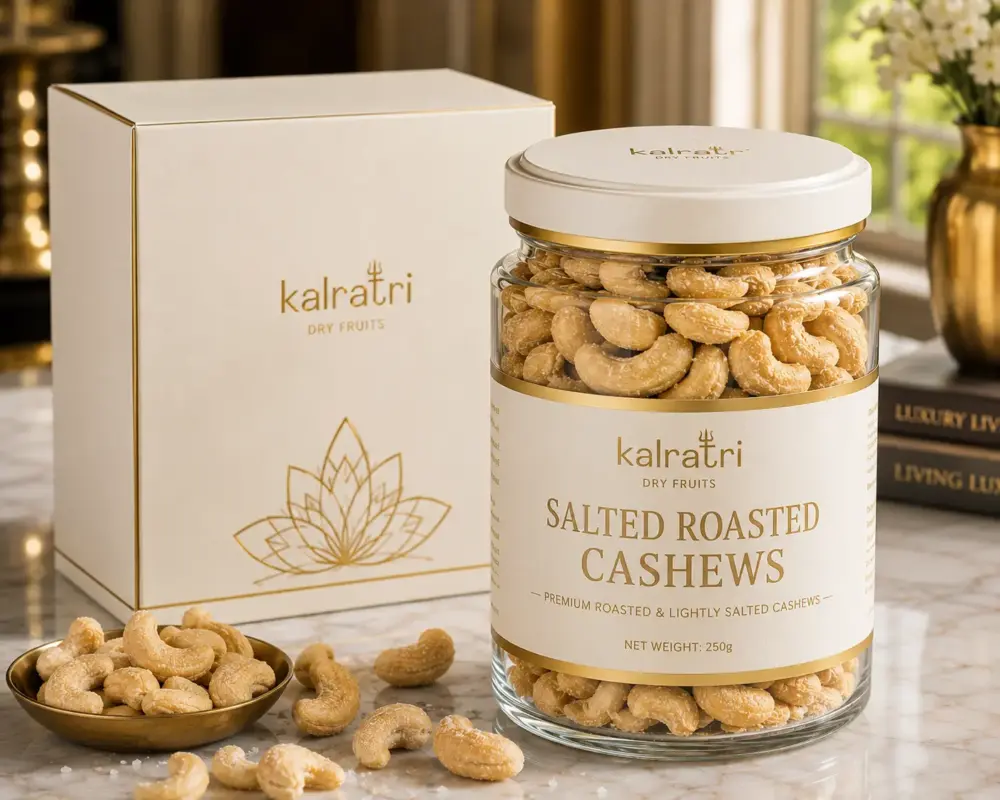
3. Cashews
Cashews are a creamy, satisfying nut that bring healthy fats along with minerals like magnesium and zinc. Eaten in a measured portion, they make a more filling snack than many processed alternatives, without the added sugar or refined oils.
4. Pistachios
Pistachios are naturally self-portioned, since they’re typically eaten one at a time from the shell, which can encourage more mindful snacking. They also offer fibre and protein, both of which contribute to a more satisfying snack.
5. Dried Figs
Dried figs bring natural sweetness along with dietary fibre, which can support a feeling of fullness when eaten in moderation. Their soft texture also makes them a satisfying substitute for sweeter, more processed snacks.
6. Raisins
Raisins are naturally sweet and easy to portion, making them a simple way to curb a sugar craving without reaching for something processed. A small handful goes a long way, whether eaten on their own or mixed into oats.
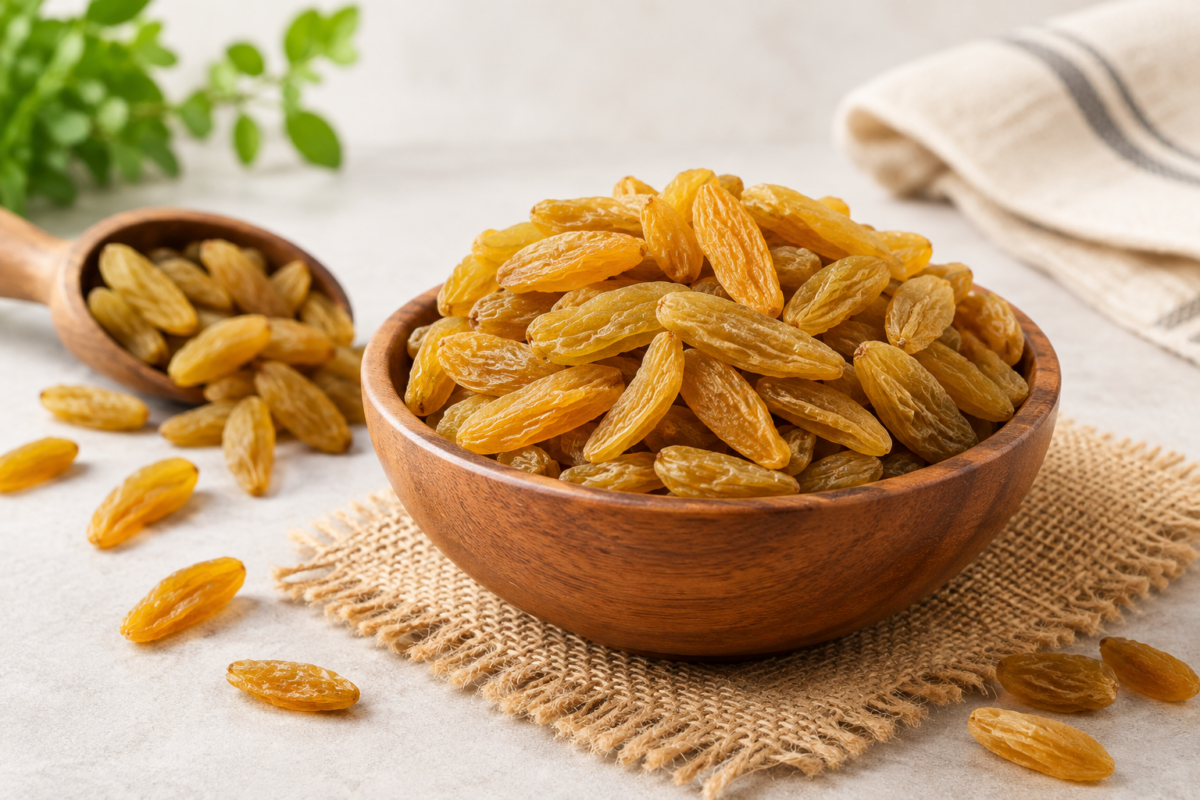
Our Indian Long Raisins are a convenient pantry staple for exactly this kind of portion-controlled snacking.
7. Dates
Dates offer natural sugars alongside dietary fibre, which can make them a more satisfying way to manage a sweet craving than refined sugar or processed sweets. Their soft texture also makes them easy to portion into a snack or recipe.
Our Ajwa Dates are a good option to try, and our guide on dry fruits for energy covers how dates fit into an active daily routine.
8. California Pitted Prunes
Prunes combine natural sweetness with fibre, making them a practical everyday snack rather than a processed sugary alternative. Their fibre content can also support a feeling of fullness between meals.
Our California Pitted Prunes are a convenient, ready-to-eat option, and our article on dry fruits for digestion covers their fibre benefits in more depth.
9. Dried Apricots
Dried apricots offer fibre along with potassium, and their tangy-sweet flavour makes them an easy, portion-friendly addition to both sweet and savoury snacks. A few chopped apricots go a long way in a trail mix or breakfast bowl.
10. Chia Seeds
Chia seeds are rich in fibre and absorb liquid well, forming a gel-like texture that can help you feel fuller after a meal or snack. A small spoonful goes a long way in overnight oats, smoothies, or yoghurt.
Browse our seeds collection to find chia seeds and other fibre-rich options.
11. Flax Seeds
Flax seeds offer fibre and omega-3 fatty acids in a small, easy-to-add package. Grinding them before eating can make it easier for the body to access their nutrients, whether stirred into a smoothie or sprinkled over a bowl.
Our seeds collection includes flax seeds alongside other everyday options.
12. Pumpkin Seeds
Pumpkin seeds provide protein and healthy fats in a small, crunchy bite, making them a practical addition to a portion-conscious snacking routine. They work well on their own or mixed into a trail mix or salad.
Take a look at our seeds collection for pumpkin seeds and similar options.
13. Sunflower Seeds
Sunflower seeds are a convenient, portable snack that offer healthy fats and a modest amount of protein. Their small size makes portion control naturally easier compared to larger nuts.
Explore our seeds collection to find sunflower seeds and other varieties worth trying.
14. Dried Berries
Dried berries, such as cranberries, offer a tart, naturally lower-sugar option compared to some other dried fruits, along with a dose of antioxidants. They work well scattered over yoghurt or mixed into a trail mix.
Our berries collection is worth exploring for a lighter, tangier addition to your snacking routine.
15. Trail Mix
A well-balanced trail mix combines several nuts, seeds, and dried fruits in one pre-portioned pack, which can help you avoid the temptation to snack straight from a large, unmeasured bag. It’s a practical, grab-and-go option for busy days.
Browse our range of dried fruits to build your own mix, or explore ready-made combinations for a convenient portion-controlled snack.
Different Ways to Consume Nuts on a Daily Basis
If eating a plain handful of nuts isn’t your preference, there are other simple, natural ways to include them in your day.
- Blend them into a smoothie: Soaked almonds or cashews blend smoothly into a homemade smoothie, adding nutrition without needing to eat them whole.
- Stir into curd or oats: A spoon of ground flax or chia seeds mixed into curd or porridge is a low-effort way to add fibre.
- Sprinkle over salads and soups: Chopped nuts add crunch and healthy fats in place of processed toppings like croutons.
- Use in traditional cooking: Cashew-based gravies, a homemade dry fruit ladoo, or nuts folded into a wholewheat cake are natural ways to add flavour without relying on refined sugar.
- Coat proteins before cooking: Crushed pistachios or almonds make a crunchy, flavourful coating for grilled fish, paneer, or chicken.
These methods offer flexibility, so you can fit nuts into your routine in a way that suits your taste and cooking style, rather than sticking to one format alone.
Smart Ways to Eat Dry Fruits Without Overeating
A few simple habits can help you enjoy dry fruits without going overboard:
- Pre-portion your snacks: Divide a larger pack into small containers or bags ahead of time.
- Pair with water: Drinking a glass of water alongside a snack can help you gauge hunger more accurately.
- Avoid eating straight from the pack: Measuring out a handful, rather than snacking mindlessly, makes portion control much easier.
- Add them to meals instead of snacking separately: Mixing dry fruits into oats, salads, or yoghurt naturally limits how much you eat in one sitting.
Some people also find it useful to plan their snacks ahead of time. Lightweight tools such as Time Miner, which help track daily eating habits, can make it easier to stay consistent without much extra effort.
Dry Fruits vs Highly Processed Snacks
Compared to many packaged snacks, dry fruits generally offer more fibre, protein, and healthy fats, without the added sugar, refined flour, or preservatives common in processed options. This can make them a useful swap for someone looking to eat more mindfully.
That said, dry fruits aren’t automatically “better” in every sense — they’re still calorie-dense, and portion control matters just as much as it does with any other snack. The real advantage lies in what they offer nutritionally per gram, not in unlimited quantities.
Building a Balanced Snack Routine
A sustainable snacking routine usually combines a few different food groups rather than relying on dry fruits alone. Pairing a small portion of nuts or seeds with fresh fruit, yoghurt, or a source of protein tends to be more filling and balanced than dry fruits by themselves.
If you’re building your own routine, our nuts collection, seeds collection, and dried fruits collection are good places to start. For more ideas on fitting dry fruits into your day, our guide on how to eat dry fruits for breakfast covers practical ways to build them into your morning routine, and we’re also working on a dedicated guide on the best dry fruits for healthy skin.
Conclusion
Dry fruits for weight loss work best when they’re treated as one part of a mindful, balanced lifestyle rather than a shortcut. Almonds, walnuts, dried figs, seeds, and the other options covered here can be a genuinely useful addition to your diet when eaten in moderate, portion-controlled amounts.
If you’re ready to build a healthier snacking habit, explore our range of nuts, seeds, and dried fruits from Kalratri Dry Fruits and find the combination that fits naturally into your routine.
FAQs
Q.1. Which dry fruits are best for weight loss?
A: Almonds, walnuts, dried figs, and seeds are commonly recommended, as they offer fibre, protein, and healthy fats in small, portion-controlled servings.
Q.2. Do dry fruits directly cause weight loss?
A: No single food causes weight loss. Dry fruits can support a balanced diet when eaten in moderation, alongside an overall healthy eating pattern.
Q.3. How many dry fruits should I eat daily for weight management?
A: A small handful, roughly a quarter cup of mixed dry fruits, is a reasonable daily portion for most adults as part of a balanced diet.
Q.4. Are dry fruits better than processed snacks for weight loss?
A: Dry fruits generally offer more fibre and fewer additives than processed snacks, but they’re still calorie-dense, so portion control matters either way.
Q.5. Can I eat dry fruits every day while trying to lose weight?
A: Yes, a moderate daily portion of dry fruits can be part of a balanced diet, as long as overall calorie intake and variety are kept in mind.
Q.6. What is the best time to eat dry fruits for weight loss?
A: There’s no single best time. Many people prefer eating them in the morning, often soaked, but total daily intake and consistency matter more than the exact timing.
Q.7. Are there other ways to eat nuts besides snacking on them plain?
A: Yes, nuts can be blended into smoothies, stirred into curd or oats, sprinkled over salads, or used in traditional cooking like gravies and baked goods.