
Blog
Dry Fruits for Heart Health: Which Nuts and Seeds to Add to Your Daily Diet

Key Takeaways
- Dry fruits for heart health work best as part of an overall heart-friendly diet, not as a replacement for medical care or prescribed medication.
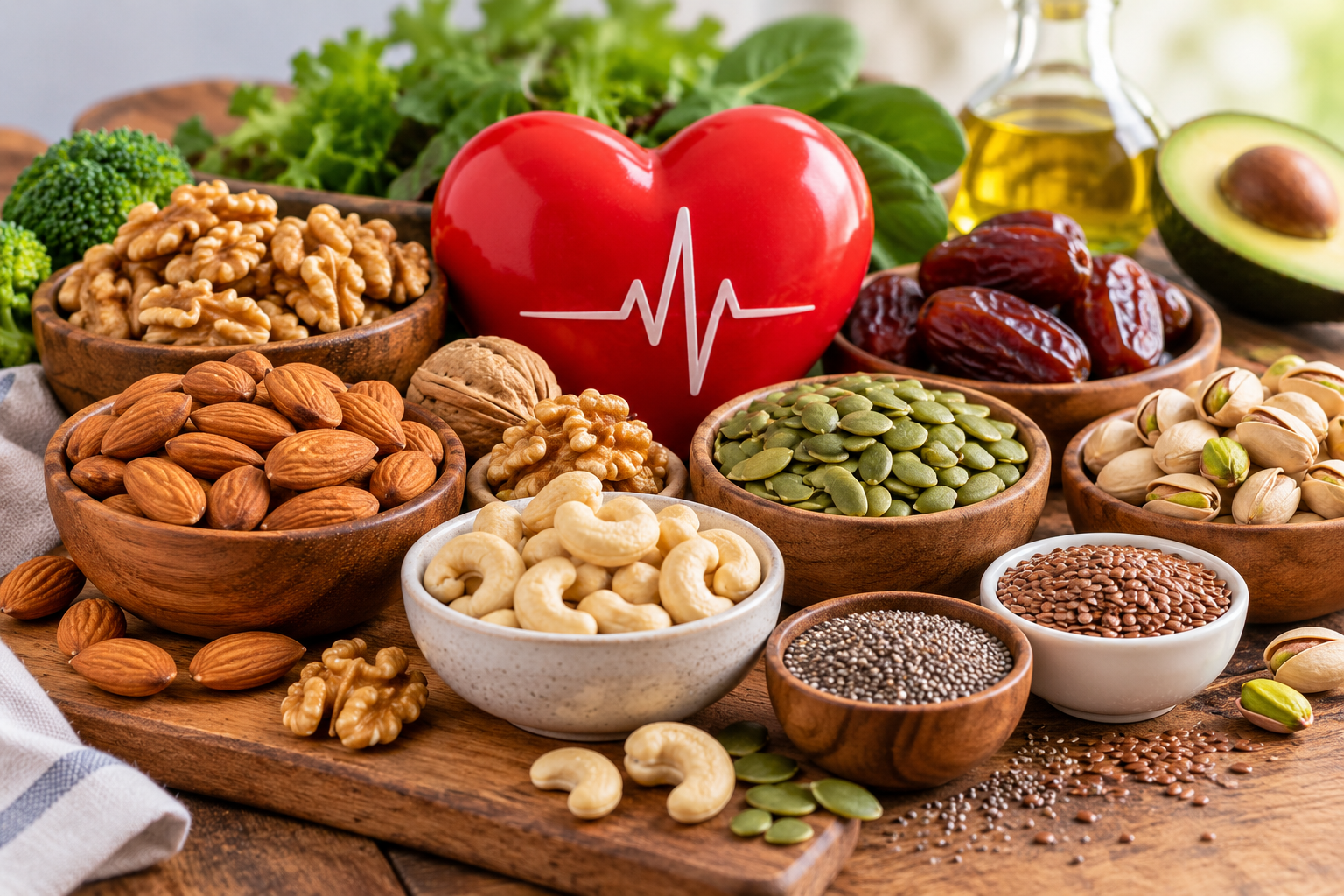
- Walnuts, almonds, pistachios, and seeds like flax and chia offer unsaturated fats, fibre, and plant protein that fit well into a heart-conscious eating pattern.
- Research suggests even a small daily portion, around 15 grams, is associated with a lower risk of heart disease, so you don’t need large amounts.
- Unsalted, plain nuts are the better everyday choice, since added salt, sugar, and coatings can work against heart health.
- Anyone with a heart condition, a nut allergy, or who takes regular medication should check with their doctor before changing their diet.
Heart health rarely comes down to a single food, but everyday eating habits play a genuine role over time. Among the simple swaps that nutrition experts often recommend, replacing processed snacks with a small handful of nuts and seeds comes up again and again.
This article looks at dry fruits for heart health: which nuts, seeds, and dried fruits are worth including, how much is reasonable, and how to choose the right kind. It also covers what these foods can and can’t do, since no snack can replace a balanced lifestyle or proper medical care.
Can Dry Fruits Support Heart Health?
Large population studies have linked regular nut and seed intake with a lower risk of coronary heart disease. According to a review by the Heart Foundation of New Zealand, eating around 15 grams of nuts and seeds a day is associated with roughly a 20 percent lower risk compared with little or no intake.
The same review found that nuts and seeds, eaten as part of an overall healthy diet, may offer a small benefit for total and LDL cholesterol levels. These are associations seen in research, not guarantees for any individual, and they apply to nuts eaten in place of less healthy foods, not on top of an already heavy diet.
Nutrients in Dry Fruits That Matter for the Heart
Nuts and seeds are small, but they bring several nutrients that fit well into a heart-friendly eating pattern.
Unsaturated fats: Most nuts and seeds are rich in monounsaturated and polyunsaturated fats, which nutrition guidelines generally recommend in place of saturated fats from foods like butter and processed meats.
Fibre: Dietary fibre from nuts, seeds, and dried fruits supports digestive health and helps you feel fuller after a snack.
Plant protein: Nuts and seeds offer protein without the saturated fat found in many animal sources.
Minerals and antioxidants: Magnesium, potassium, vitamin E, and plant compounds vary by food, which is one reason eating a range of nuts and seeds tends to work better than relying on just one.
Best Nuts, Dry Fruits and Seeds for Heart Health
Each of these foods contributes something slightly different, so a varied mix is a more sensible approach than relying on any single favourite. Below is what each one brings to a heart-conscious diet and the easiest ways to eat it.
Walnuts
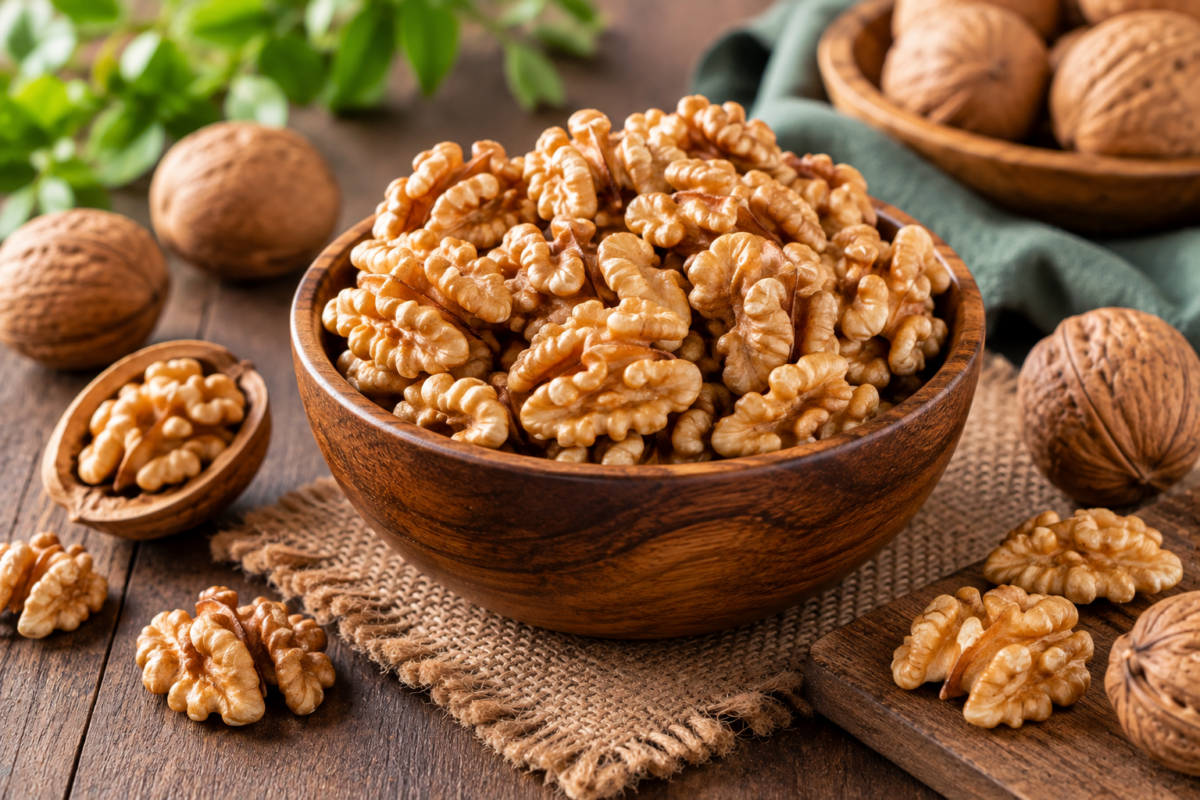
California walnut kernels stand out among nuts because of their plant-based omega-3 fatty acid, alpha-linolenic acid (ALA). They also provide fibre, plant protein, and polyphenol antioxidants, which is why walnuts are among the most frequently discussed nuts in conversations about heart health.
Their slightly bitter, earthy flavour works well in porridge, salads, and baked snacks. Four to five halves make a comfortable daily portion, and lightly soaking them can soften the bite for people who find raw walnuts a little astringent.
Almonds
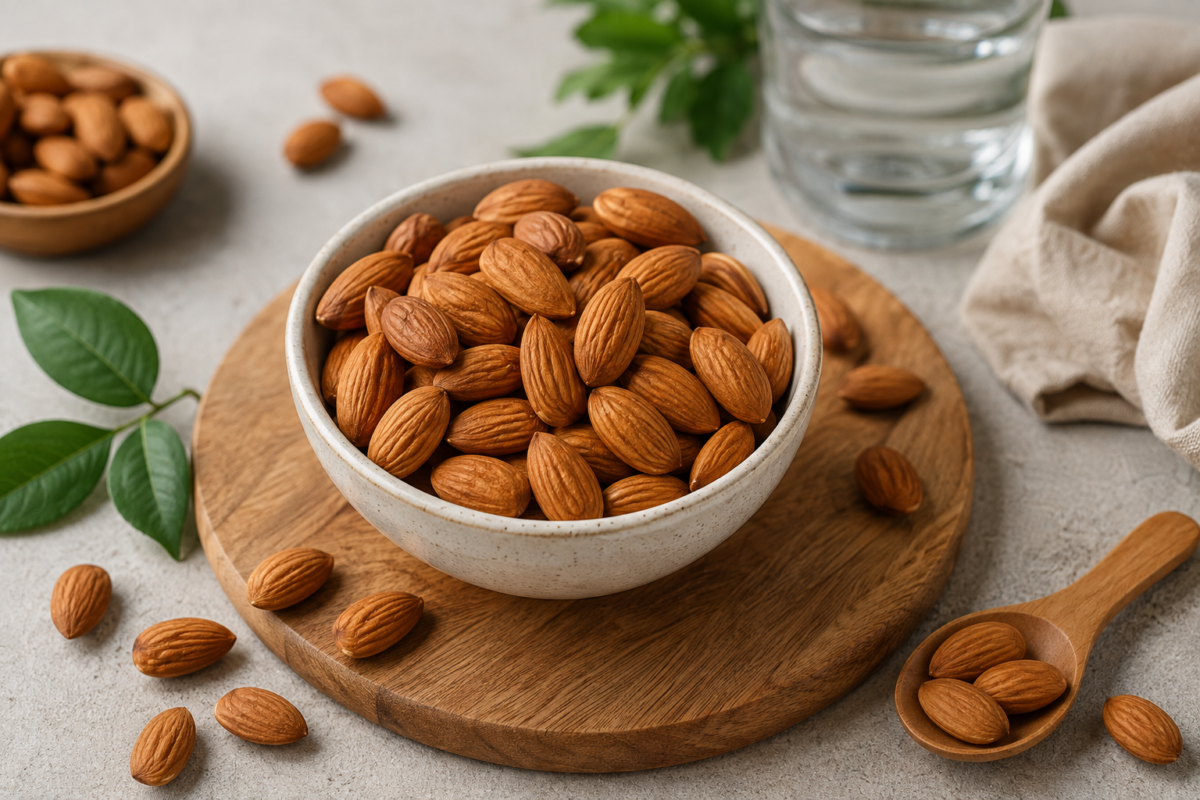
Almonds provide monounsaturated fats, fibre, plant protein, and vitamin E in a small, easy-to-portion handful. Vitamin E is a fat-soluble antioxidant, and almonds are one of the richest everyday food sources of it. They also contain magnesium, a mineral involved in normal muscle and nerve function.
They’re also one of the most versatile nuts, working as a snack, a breakfast topping, or a base for homemade almond milk. For sensible portion sizes, the article on how many almonds you should eat daily breaks it down by age and lifestyle.
Pistachios
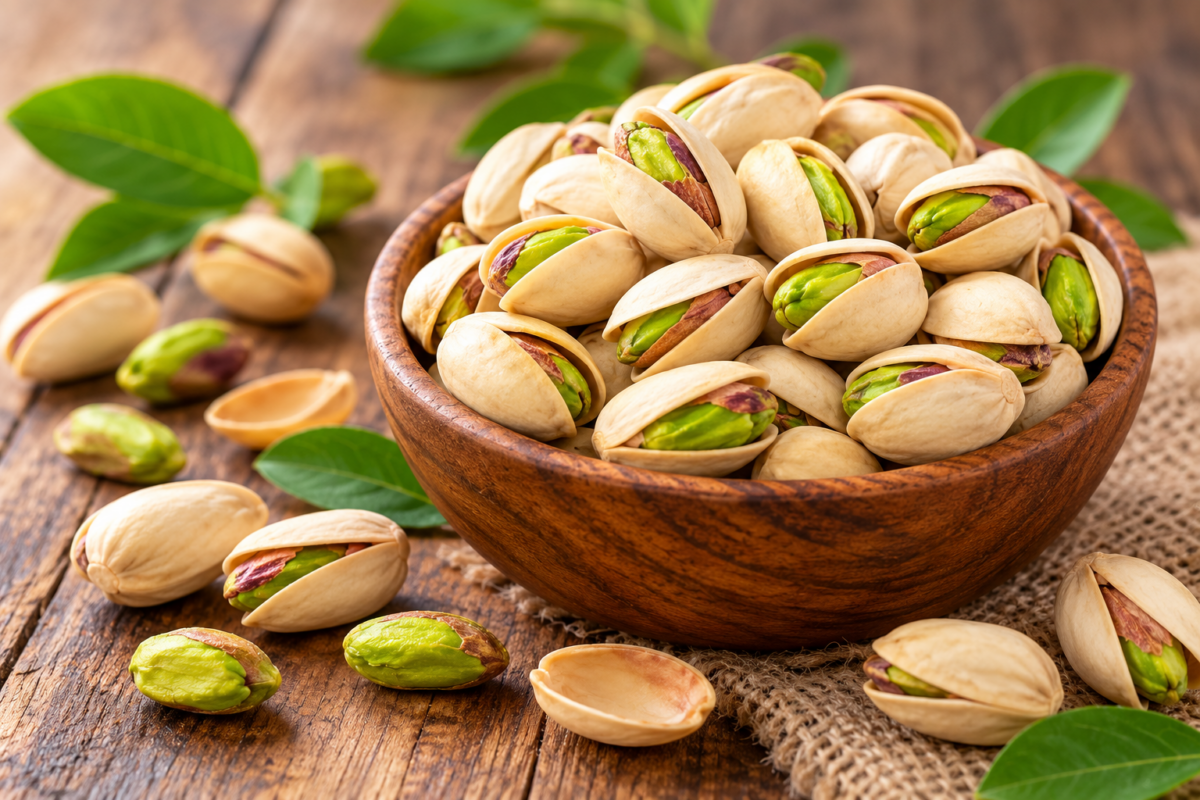
Pistachios offer healthy fats, fibre, and plant protein, along with potassium and a small amount of vitamin B6. They also contain lutein, a plant pigment that gives them their green colour.
Because they’re usually eaten one at a time from the shell, pistachios are naturally portion-friendly, and the leftover shells act as a visual cue for how many you’ve eaten. Choosing unsalted pistachios keeps sodium in check, which matters for heart-conscious eating.
Cashews
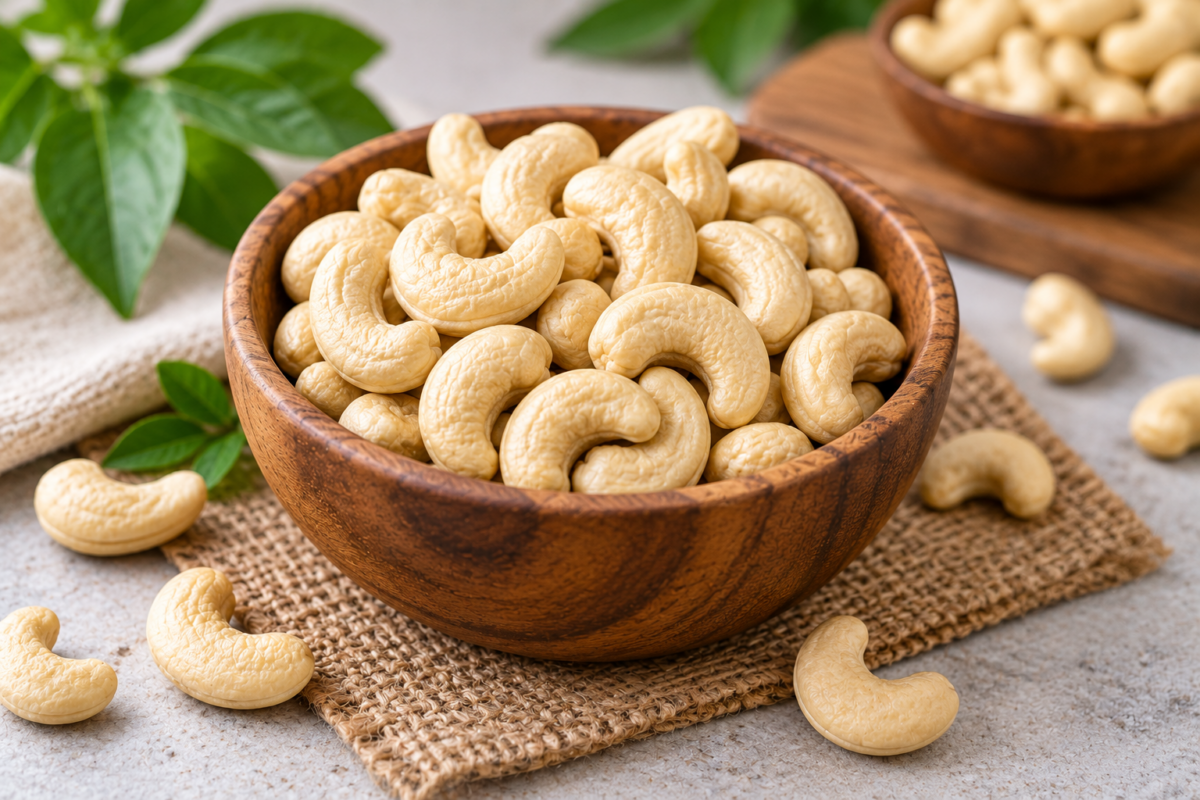
Cashews bring unsaturated fats along with magnesium, copper, and zinc, and their mild, creamy flavour makes them easy to enjoy on their own. They contain slightly less fibre than almonds or walnuts, but they add variety to a mixed handful.
They work well in light curries, stir-fries, and homemade nut butters. As with all nuts, plain unsalted cashews are the better everyday choice, since salted and fried versions can add a lot of sodium without adding much nutrition.
Flax Seeds
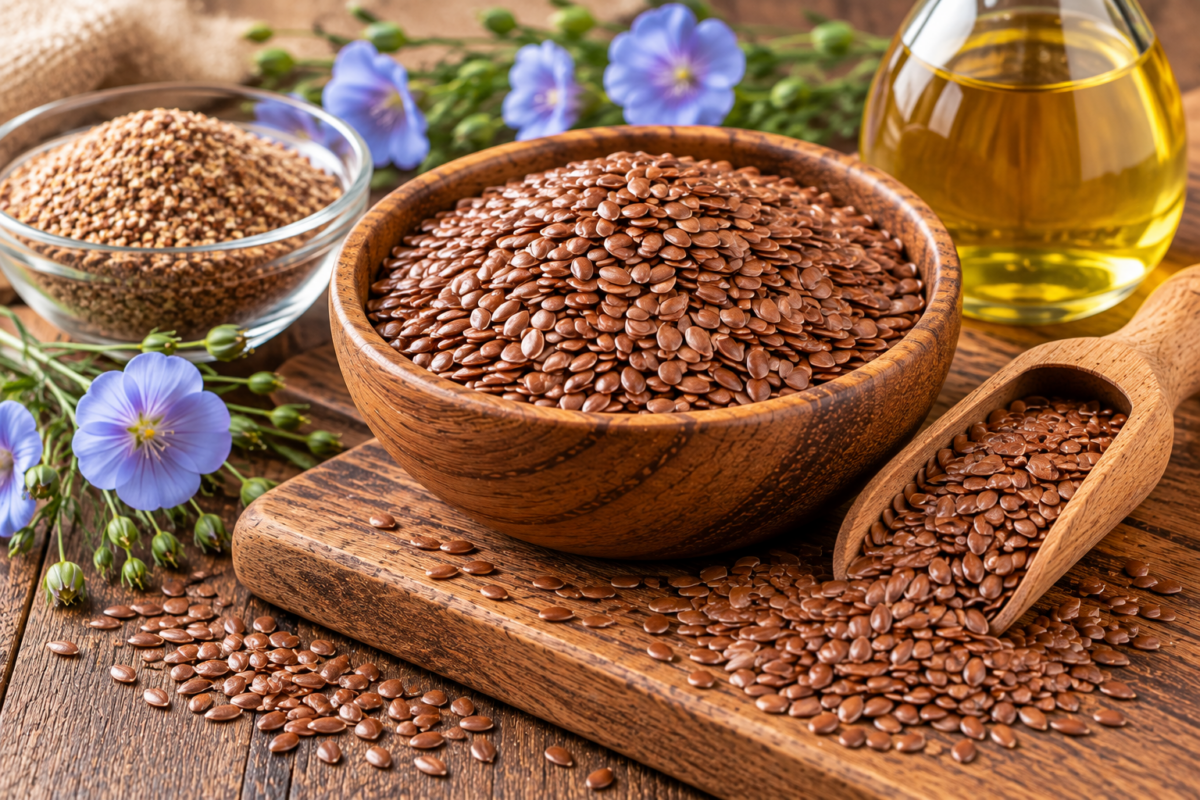
Flax seeds are a concentrated source of fibre and plant-based omega-3 fatty acids, and they also contain lignans, a type of plant compound. Whole flax seeds often pass through the body undigested, so grinding them just before eating helps you get more from each spoonful.
A teaspoon of ground flax blends easily into smoothies, curd, or roti dough without changing the taste much. Storing ground flax in an airtight container in the fridge helps keep its natural oils fresh.
Chia Seeds
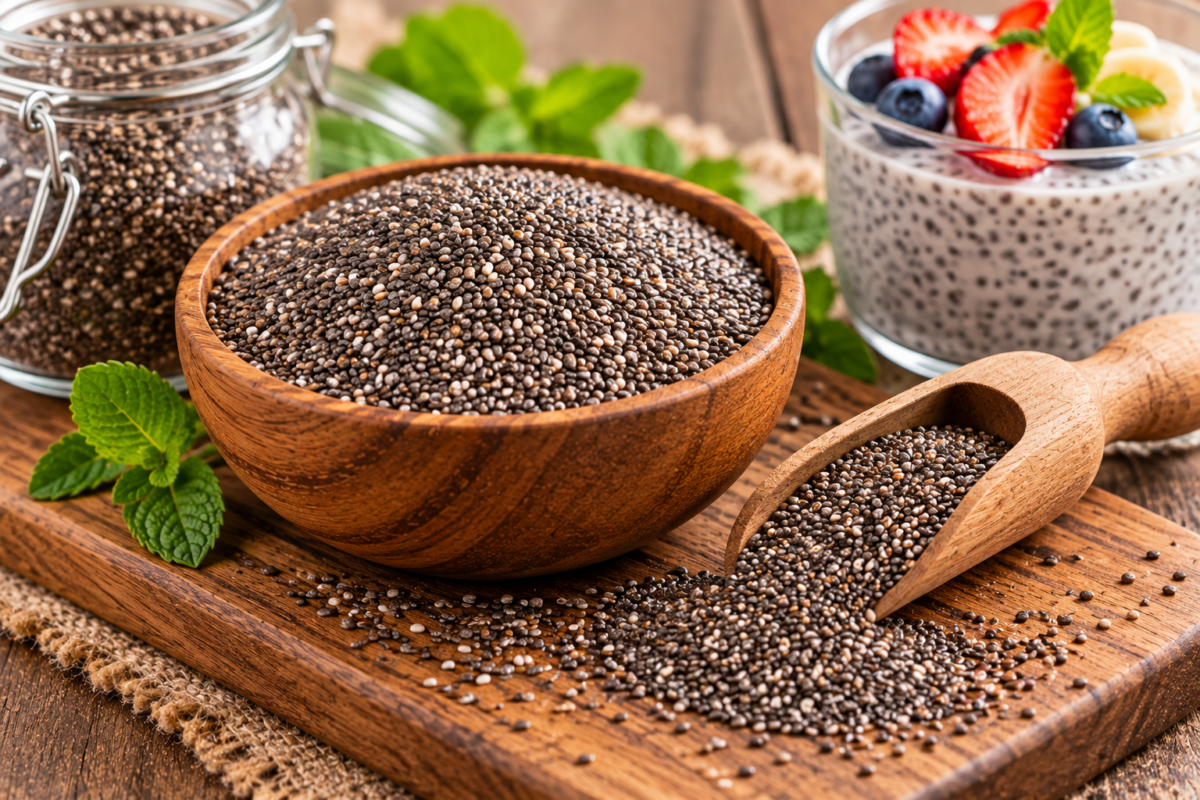
Chia seeds are rich in fibre and also provide plant-based omega-3 fatty acids, calcium, and magnesium. When soaked in liquid, they absorb many times their weight and form a gel-like texture, which is why they work so well in puddings.
A tablespoon soaked overnight in milk or curd makes a simple breakfast base, and it can be topped with fruit or a few chopped nuts. Because they swell so much, it’s sensible to soak chia before eating and drink enough water alongside it.
Pumpkin and Sunflower Seeds
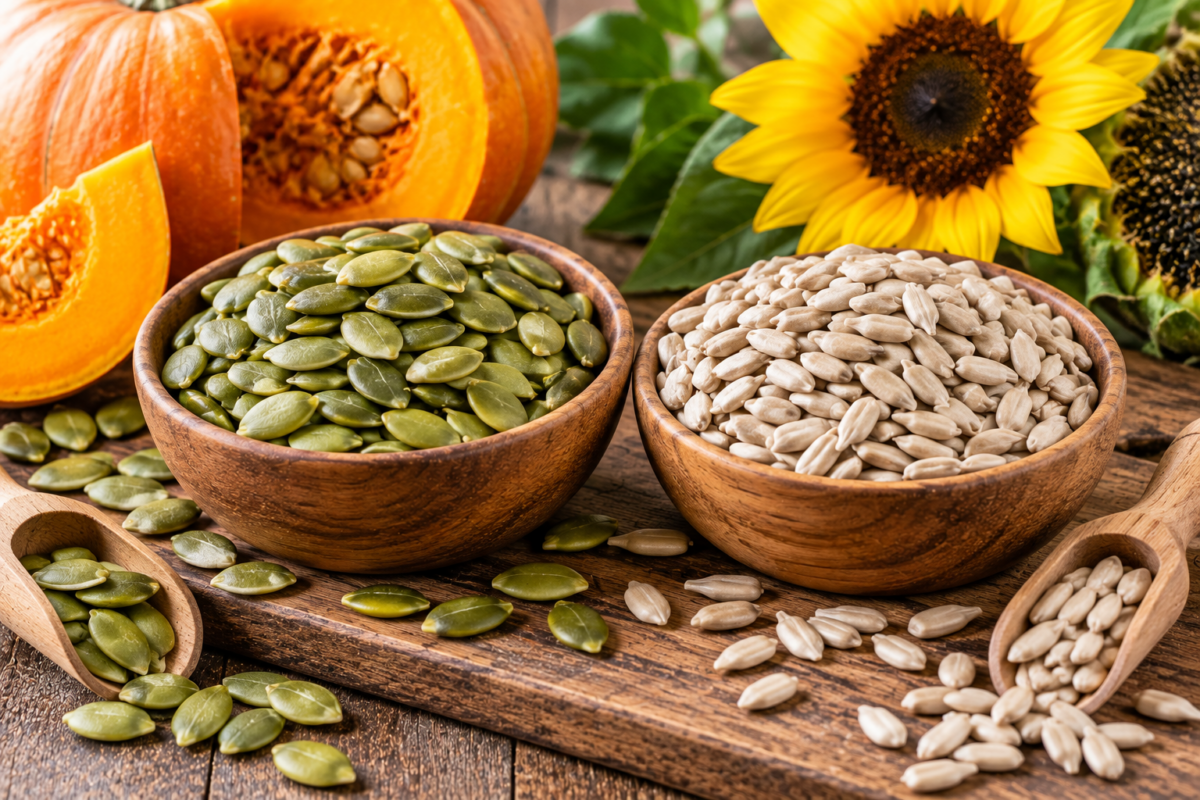
Pumpkin seeds provide healthy fats, plant protein, and minerals like magnesium and zinc in a small, crunchy bite. Sunflower seeds are also a good source of vitamin E, while pumpkin seeds are known for their magnesium content.
Both are easy to sprinkle over salads, porridge, or dal, or to roast lightly at home with a pinch of spice. Choosing unsalted, plain versions keeps the sodium low, and they make a useful nut-free option in many households.
Dried Berries
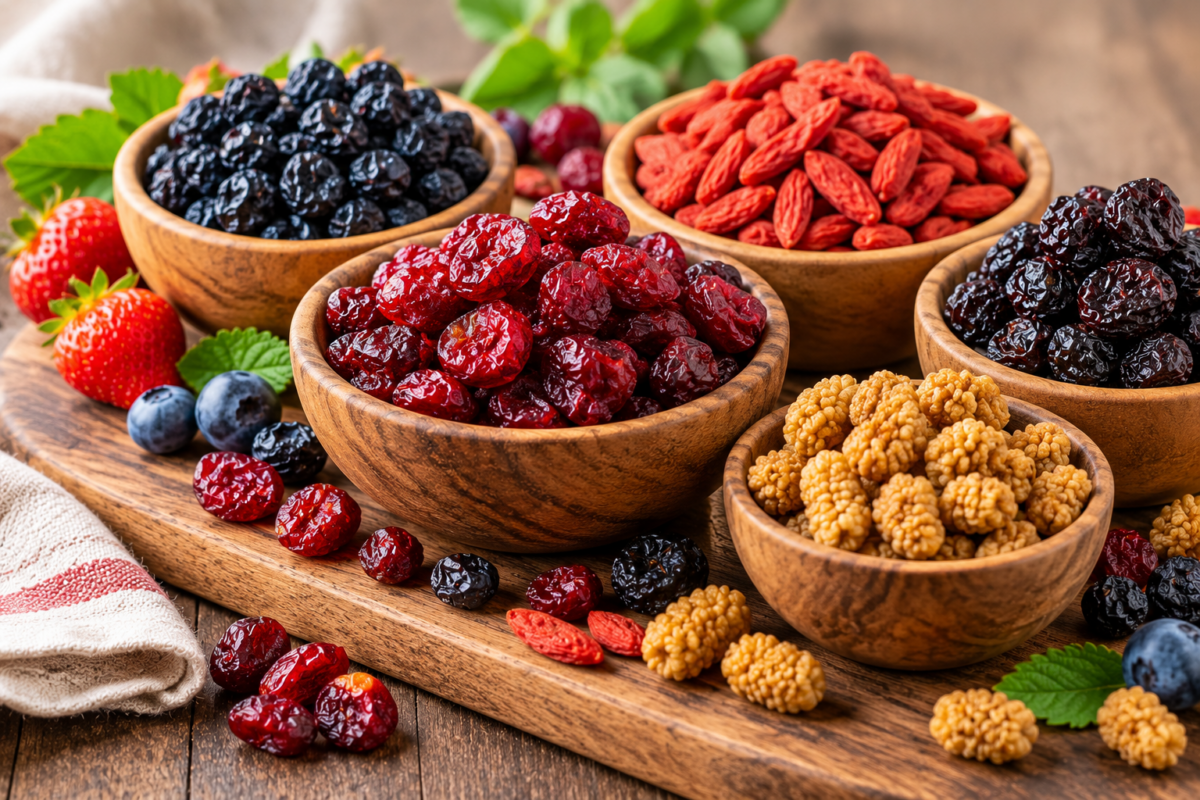
Dried berries, such as cranberries and blueberries, add antioxidants and a tart flavour that balances richer nuts. They also provide a little fibre and vitamin C, though drying reduces some of the vitamin C found in fresh berries.
Since dried fruit is more concentrated in sugar than fresh fruit, a small portion is enough, and it’s worth checking the label for added sugar. They work best scattered over yoghurt, oats, or a homemade trail mix rather than eaten by the handful.
Prunes, Raisins and Dates
California pitted prunes, raisins, and Ajwa dates are naturally sweet dried fruits that provide fibre and potassium, a mineral that plays a role in normal blood pressure regulation as part of an overall balanced diet.
They can replace refined sweets in a heart-conscious diet, but they’re best enjoyed in modest portions because of their natural sugar content. One or two pieces of fruit, ideally paired with a few nuts, is a balanced way to enjoy them.
Quick Comparison: What Each Food Offers
| Food | Standout Nutrients | Easy Way to Eat It |
| Walnuts | Plant omega-3 (ALA), fibre | Handful as a snack, or in porridge |
| Almonds | Vitamin E, fibre, protein | Soaked or raw, or chopped over oats |
| Pistachios | Fibre, plant protein | Unsalted, shelled, as a snack |
| Cashews | Magnesium, unsaturated fats | In trail mixes or light curries |
| Flax and chia seeds | Fibre, plant omega-3 | Stirred into curd, smoothies, or oats |
| Pumpkin and sunflower seeds | Magnesium, plant protein | Sprinkled over salads or breakfast bowls |
| Dried berries | Antioxidants | Scattered over yoghurt |
| Prunes, raisins, dates | Fibre, potassium | One or two pieces in place of sweets |
How Much Should You Eat?
You don’t need large amounts to see the association seen in research. The Heart Foundation of New Zealand notes that around 15 grams a day, which works out to roughly three to four small handfuls a week, is where most of the benefit was seen, with further benefit likely at higher intakes.
A small handful is about 30 grams. Since nuts are energy-dense, sticking to a modest daily portion is sensible, and studies have not linked regular nut intake to greater body weight. If portion control is a concern for you, our article on dry fruits for weight management covers practical ways to keep portions in check.
Raw, Roasted or Salted: What to Choose
For heart health, plain nuts and seeds are the better everyday choice. Raw or dry-roasted nuts without added salt, sugar, or flavour coatings keep sodium and added sugar low, which matters for anyone watching blood pressure.
Heavily processed products that contain a small amount of nuts, such as sweetened snack bars, can carry added sugar, salt, and saturated fat. Reading the ingredients list helps you see how much of a product is actually nuts, and how much is everything else.
Dry Fruits to Enjoy in Moderation
Dried fruits like raisins, dates, and figs are nutritious, but they’re also concentrated sources of natural sugar. Eating them in small portions, and pairing them with nuts, keeps the balance sensible.
The same caution applies to roasted and salted nut mixes. Occasional treats are fine, but if heart health is a priority, plain versions should make up most of your intake.
Simple Ways to Add Them to Your Daily Diet
A few small habits make it easy to reach a handful most days without extra effort.
- Start with breakfast: Stir chopped nuts, seeds, or a few dried berries into oats or curd. Our article on how to eat dry fruits for breakfast has more ideas.
- Swap the mid-afternoon snack: A small handful of unsalted nuts can replace a packet of fried snacks.
- Add crunch to meals: Sprinkle seeds or chopped nuts over salads, dal, or vegetables.
- Keep portions ready: Pre-portioned containers make it easier to stay consistent.
Some people find it helpful to track a simple daily routine like this. Lightweight tools such as Time Miner, which help log everyday food habits, can make it easier to stay consistent without much effort.
Since nuts are rich in natural oils, storing them properly also matters for freshness. Our article on how to store dry fruits and nuts explains how to keep them from turning rancid.
A Sample Week of Heart-Friendly Snacking
Adding heart-healthy nuts and seeds to your diet doesn’t have to be complicated. Small, consistent changes can make a big difference. Here’s a simple weekly plan to help you enjoy a variety of nutrient-rich snacks.
- Monday: A spoon of chopped almonds over your morning oats.
- Tuesday: A small handful of unsalted mixed nuts as an afternoon snack.
- Wednesday: Roasted pumpkin seeds sprinkled over a salad.
- Thursday: A tablespoon of chia seeds stirred into curd or overnight oats.
- Friday: A few walnut halves with a piece of fresh fruit.
- Saturday: Ground flax seeds blended into a smoothie.
- Sunday: A few pistachios and one or two dates as a light evening treat.
Feel free to mix and match these ideas based on your preferences. The goal is to include a variety of nuts and seeds throughout the week while keeping portions moderate. Consistency matters far more than following a strict plan, and making these small habits part of your routine can help support long-term heart health.
Common Myths About Nuts and Heart Health
A few misconceptions come up often, and clearing them up helps you eat nuts with more confidence.
“Nuts are too fatty for the heart.” Most of the fat in nuts is unsaturated, the kind nutrition guidelines generally encourage in place of saturated fat. The concern is not the fat type but the portion size.
“Nuts cause weight gain.” Nuts are energy-dense, but studies have not linked regular intake to higher body weight. Their protein and fibre can help you feel satisfied, which may reduce how much you eat elsewhere.
“Salted or flavoured nuts are just as good.” Added salt, sugar, and coatings change the picture. Plain nuts are the better everyday choice for a heart-conscious diet.
“More is always better.” Benefits were seen at modest intakes. Very large portions add calories without a proven extra advantage for everyone.
Other Habits That Support a Healthy Heart
Diet is only one part of heart health. General lifestyle habits that health organisations commonly encourage include:
- Regular physical activity: Moving most days of the week supports overall cardiovascular health.
- A balanced diet: More vegetables, fruit, whole grains, and legumes, with fewer highly processed foods, forms the foundation.
- Adequate sleep: Consistent, good-quality sleep supports general wellbeing.
- Avoiding tobacco: Not smoking is one of the most important steps for heart health.
- Regular health check-ups: Monitoring blood pressure, cholesterol, and blood sugar helps catch changes early.
For a broader look at everyday nutrition, our article on the health benefits of dry fruits covers more than just the heart.
Who Should Be Careful?
Nuts and seeds are suitable for most people, but a few situations call for extra care.
- Nut or seed allergies: Tree nuts, peanuts, and seeds can trigger serious allergic reactions. Anyone with a known allergy should avoid them and follow their doctor’s advice.
- Existing heart conditions or recent procedures: If you have a heart condition, or have had a procedure such as angioplasty, follow your cardiologist’s specific dietary advice rather than general guidance.
- Regular medication: Speak with your doctor if you take prescription medication and are planning a significant change to your diet.
This article is general information and not a substitute for personalised medical advice.
Conclusion
Dry fruits for heart health are a simple, practical addition to a balanced diet. Walnuts, almonds, pistachios, cashews, and seeds bring healthy fats, fibre, and plant protein, and even a small daily handful fits the pattern seen in research.
Choose plain, unsalted options, keep portions moderate, and pair them with an active, balanced lifestyle. If you’re ready to build the habit, the nuts, seeds, and dried fruits at Kalratri Dry Fruits are an easy place to start, and it’s worth checking with your doctor first if you have a heart condition or allergy.
FAQs
Q.1. Which dry fruits are best for heart health?
A: Walnuts, almonds, pistachios, cashews, and seeds like flax and chia are commonly recommended, since they offer unsaturated fats, fibre, and plant protein.
Q.2. Do nuts lower cholesterol?
A: Research suggests that eating nuts as part of an overall healthy diet may offer a small benefit for LDL cholesterol, but they are not a treatment. Anyone managing high cholesterol should follow their doctor’s advice.
Q.3. How many nuts should I eat daily for heart health?
A: Around 15 grams a day, or three to four small handfuls a week, is where much of the research benefit was seen. A small handful is about 30 grams.
Q.4. Are salted nuts bad for the heart?
A: Salted nuts add sodium, which can work against blood pressure goals. Plain, unsalted nuts are the better everyday choice.
Q.5. Can I eat dry fruits after a heart procedure?
A: Dietary needs after a heart procedure vary between individuals, so it’s best to follow your cardiologist’s specific advice before making changes.