
Blog
Dry Fruits for Kids: What to Feed at Every Age (6 Months to 12 Years)

Key Takeaways
- Dry fruits for kids can be a nutritious addition to a child’s diet, but the right form and portion depend heavily on age.
- Whole nuts are a known choking hazard for young children, so powders, soaked and mashed forms, or finely chopped pieces are safer for kids under 4 years.
- Almonds, walnuts, dates, raisins, figs, and apricots each offer different nutrients that can support a growing child’s overall diet.
- New foods, including dry fruits, should be introduced one at a time so you can watch for any allergic reaction.
- It’s always worth checking with your pediatrician before introducing dry fruits to infants or children with a family history of food allergies.
Dry fruits for kids are a common addition to Indian households, from a spoon of almond powder in a baby’s porridge to a handful of mixed nuts in an older child’s lunchbox. They’re naturally nutrient-dense, and many parents look to them as a wholesome alternative to processed snacks.
That said, what’s appropriate for a 10-year-old is very different from what’s safe for a baby just starting solids. This article breaks down how to introduce dry fruits by age group, which options are worth considering, and how to serve them safely at every stage.
Are Dry Fruits Safe for Kids?
Dry fruits can be a healthy part of a child’s diet, offering fibre, healthy fats, iron, and other nutrients that support growth. However, safety depends almost entirely on the form they’re served in and the child’s age.
Whole nuts, in particular, are a well-recognised choking hazard for young children, which is why most pediatric guidance recommends avoiding them in whole form until around age 4, and even then, only with supervision. As with any new food, it’s a good idea to introduce dry fruits one at a time and speak with your pediatrician first, especially for infants or children with a family history of food allergies.
Dry Fruits and Nuts for Kids by Age Group
The right form, quantity, and type of dry fruit changes considerably as a child grows. Here’s a general breakdown by age.
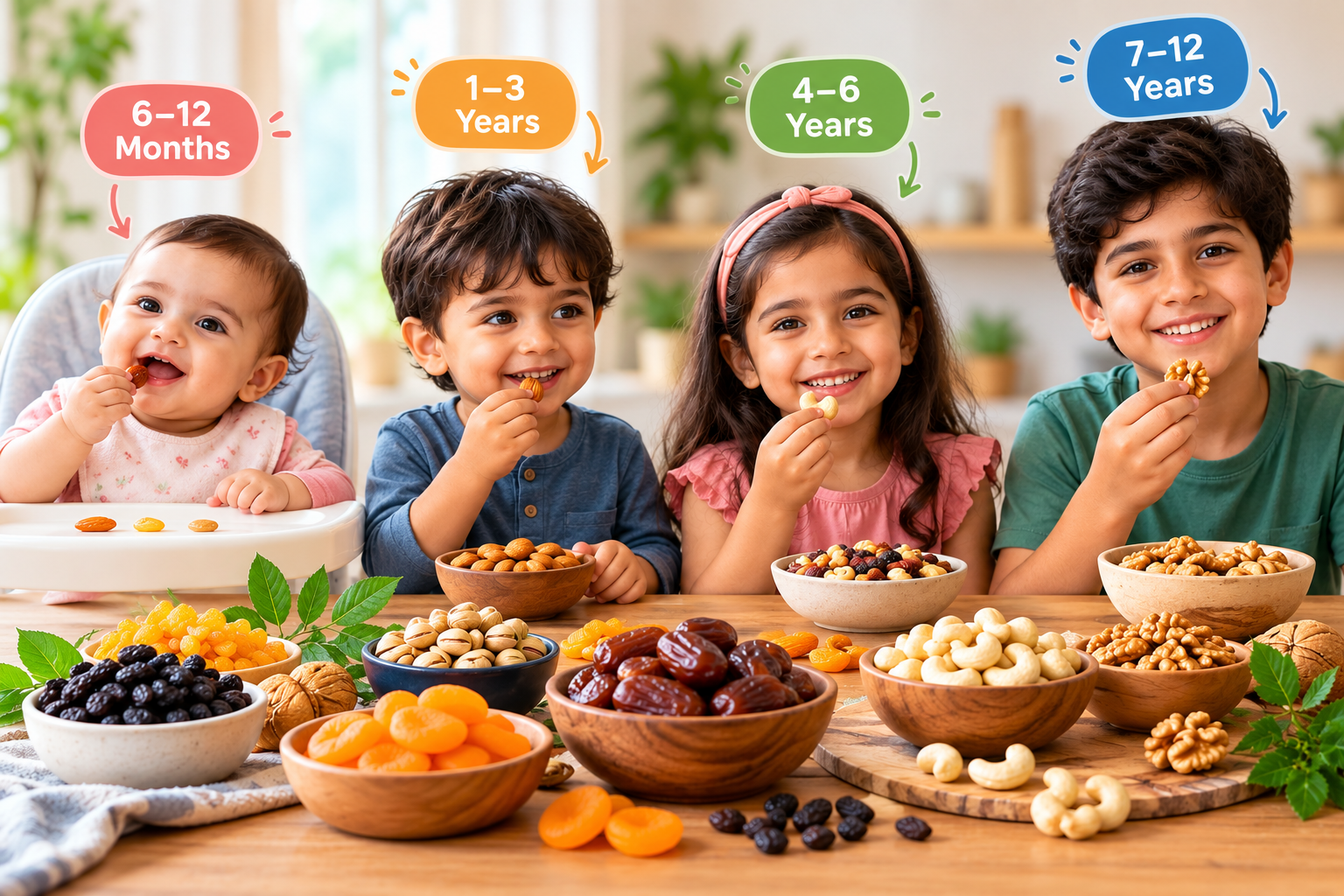
6 to 12 Months
At this stage, dry fruits should only be introduced in a smoothly ground powder or a runny paste, mixed into porridge, purees, or milk. Whole nuts or chunks should never be given at this age, since infants can’t yet chew or manage textures safely.
Almond, cashew, and walnut powder are common starting points, introduced one at a time so you can watch for any reaction. Soft, well-mashed dates or raisins can sometimes be added in tiny amounts after 8 months, but it’s best to check with your pediatrician first, particularly around timing and portion size for infants.
1 to 3 Years (Toddlers)
Toddlers can generally move on to finely chopped, slivered, or minced dry fruits, or a thin nut butter, rather than powders alone. Dried fruits like dates and raisins should still be soaked or chopped until soft.
A commonly referenced starting point is around 2 soaked and peeled almonds, half a soft date, and a few soft raisins, though portions vary by child and it’s worth checking with a pediatrician for personalised guidance. Whole nuts and sticky, hard dried fruits remain a genuine choking risk at this age, and a child should always be supervised while eating.
4 to 6 Years (Preschoolers)
Preschoolers can usually handle finely crushed, chopped, or powdered dry fruits mixed into homemade ladoos, milkshakes, or baked snacks. A general reference point is 2–3 cashews, 2–3 pistachios, and half to one small piece of walnut, though this can vary by child.
Whole, harder nuts can sometimes be introduced very gradually once a child has developed reliable chewing skills, but always under direct adult supervision. If you’re ever unsure whether your child is ready for a particular texture, it’s worth asking your pediatrician.
7 to 12 Years (School-Age)
By this age, most children can safely manage whole or lightly chopped dry fruits and nuts in controlled, snack-sized portions. A commonly referenced daily amount is a small handful, around 15–20 grams total, of mixed nuts like almonds, walnuts, and cashews, along with dried fruits like figs or berries.
It’s still worth teaching children basic eating safety at this age, such as not running, talking loudly, or playing while eating nuts, since choking risk doesn’t disappear entirely just because a child is older.
Best Dry Fruits and Nuts for Kids
A handful of dry fruits come up again and again in conversations about kids’ nutrition, each offering something slightly different.
Almonds
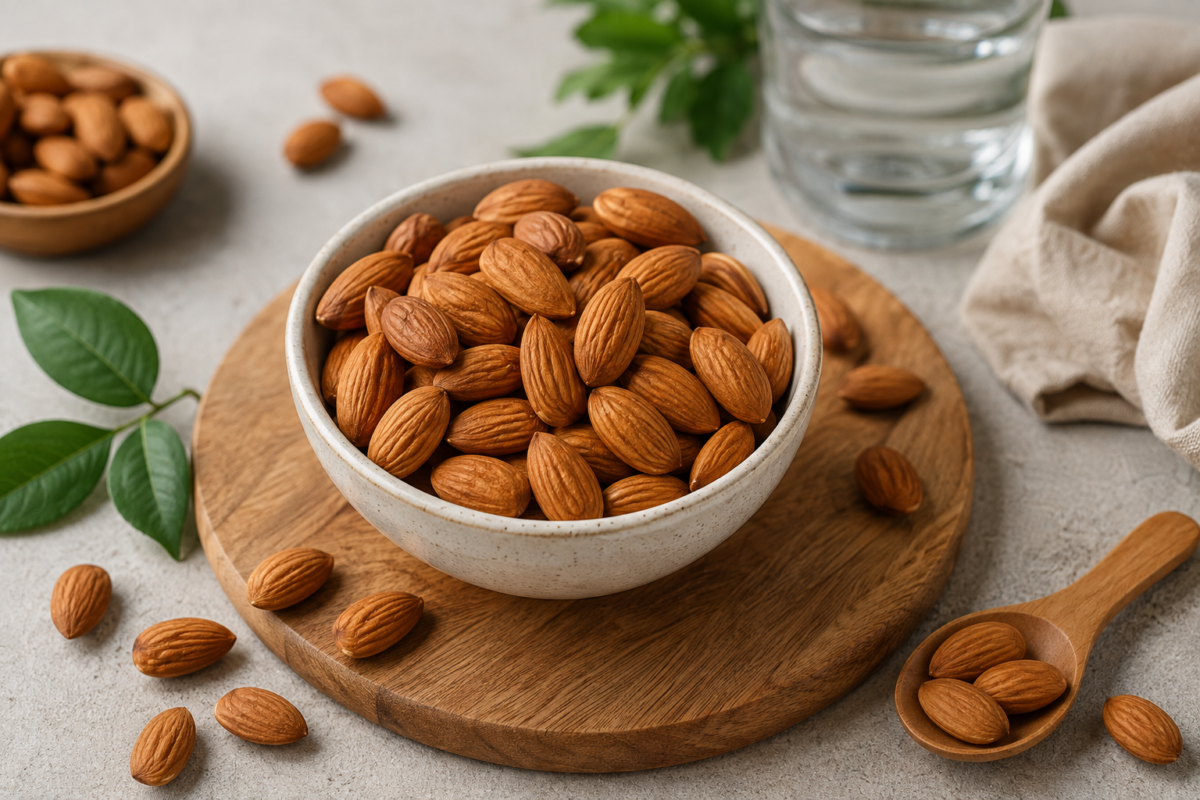
Almonds are a nutrient-rich choice for children, providing vitamin E, healthy fats, protein, fibre, and important minerals such as magnesium. Their mild, naturally nutty flavour makes them easy to include in a variety of meals and snacks. They can be finely ground into a powder for younger children or served as soaked, peeled, and appropriately prepared pieces for older kids. Almonds can also be added to porridge, smoothies, yoghurt, or homemade energy bites for an easy nutritional boost.
Walnuts
Walnuts provide plant-based omega-3 fatty acids, along with protein, fibre, and other essential nutrients that can be part of a balanced diet for growing children. Their rich, mildly nutty flavour makes them easy to incorporate into everyday meals and snacks. Our California Walnut Kernels can be finely ground into a powder or paste for younger children, while older kids can enjoy them finely chopped and mixed into porridge, yoghurt, smoothies, or homemade snack mixes.
Raisins
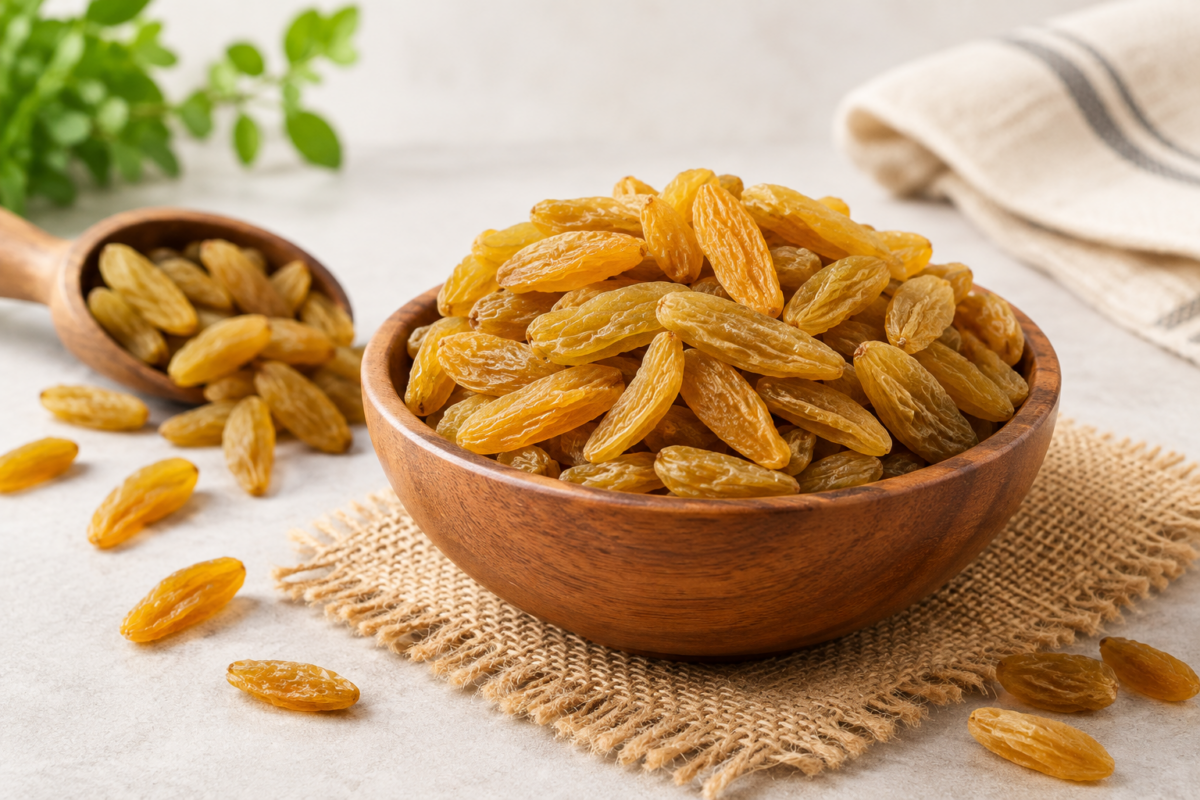
Raisins provide natural sweetness along with dietary fibre and minerals such as iron, making them a convenient way to add flavour and nutrition without relying on processed sweets. Their naturally sweet taste makes them easy to enjoy on their own or mix into porridge, oatmeal, yoghurt, cereals, and homemade snack mixes. Our Indian Long Raisins can be soaked and softened for younger children, while older kids can enjoy a small portion as a simple, naturally sweet snack.
Dates
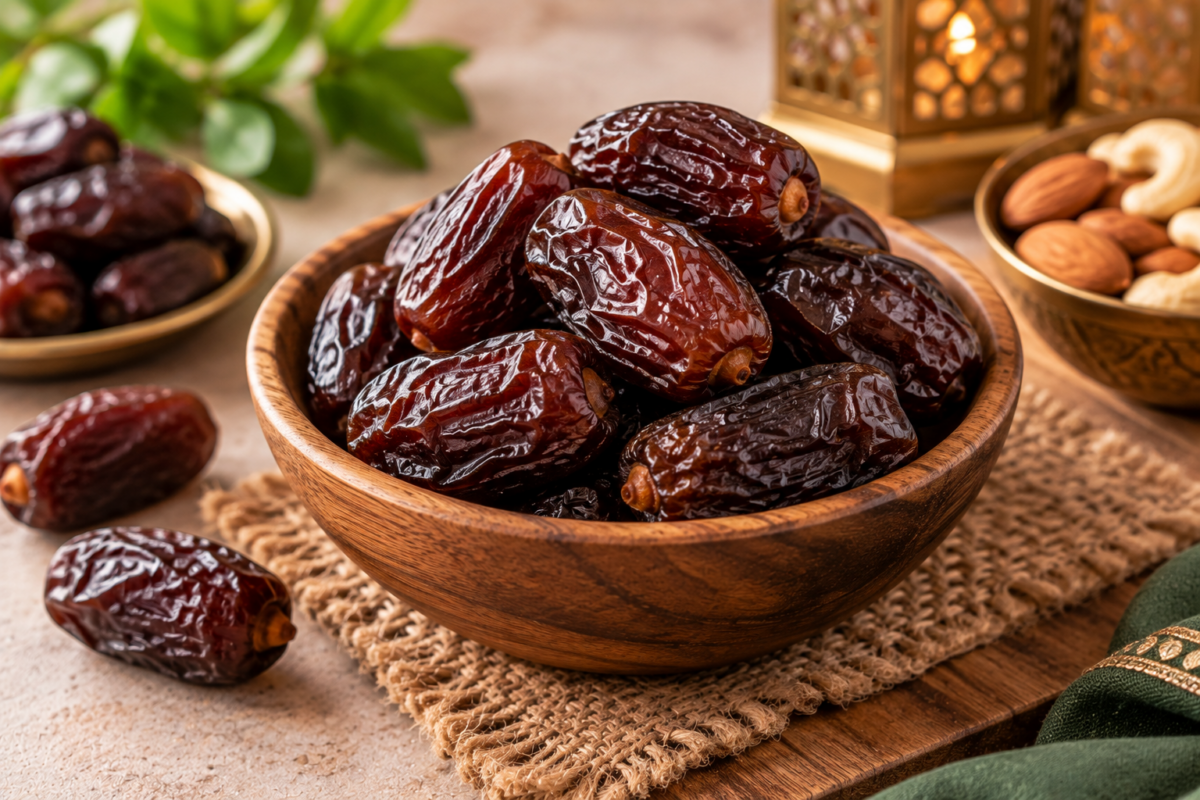
Dates provide natural sugars, dietary fibre, and essential minerals such as iron, making them a naturally sweet and wholesome addition to a child’s diet. Their soft, chewy texture and caramel-like flavour make them easy to add to porridge, smoothies, homemade ladoos, energy bites, or snack mixes. Ajwa Dates can also be enjoyed as a naturally sweet snack, with the dates always being pitted and well-mashed or finely chopped for younger children to make them easier to eat.
Figs
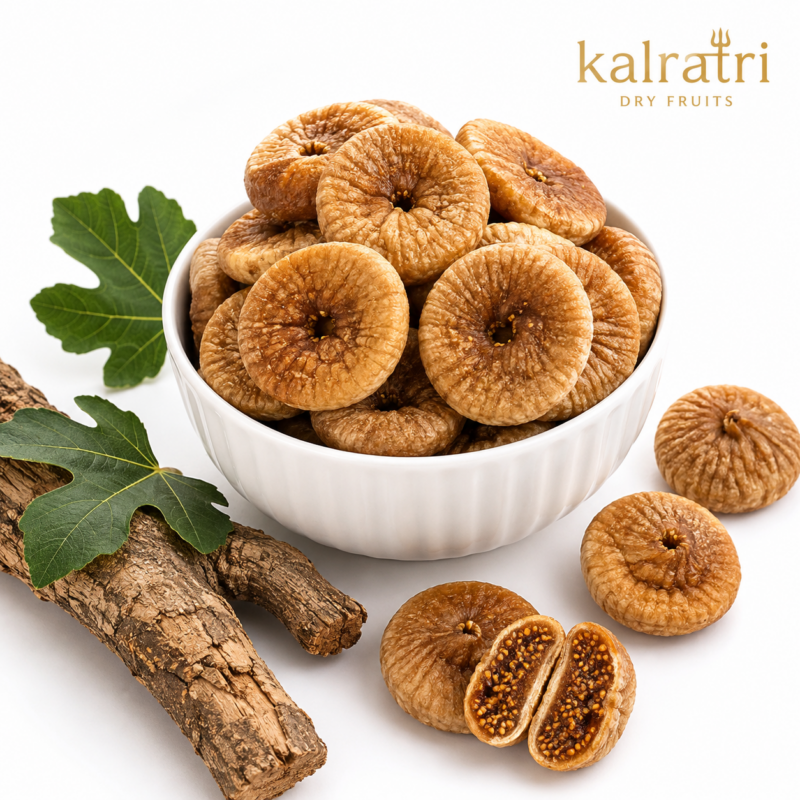
Dried figs are naturally high in dietary fibre, making them a nutritious addition to a child’s diet and supporting healthy digestion as part of a varied, balanced diet. Their naturally sweet flavour makes them easy to enjoy as a snack or add to porridge, yoghurt, smoothies, and homemade energy bites. For younger kids, dried figs can be soaked until soft and then finely chopped or mashed into an age-appropriate texture.
Apricots
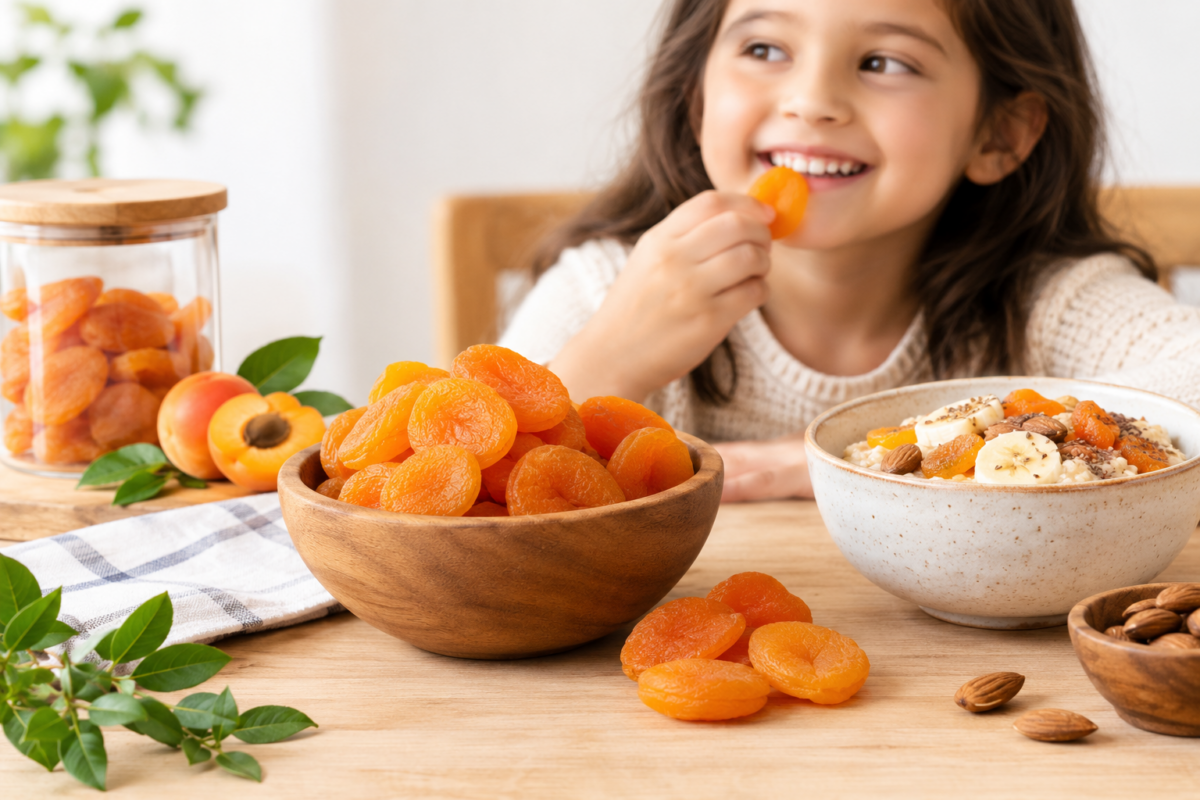
Dried apricots provide dietary fibre along with naturally occurring vitamins, minerals, and a pleasantly tangy sweetness that many kids enjoy. Their soft, chewy texture makes them a convenient snack and a simple addition to porridge, yoghurt, cereals, or homemade snack mixes. For younger children, soaking dried apricots until soft and then finely chopping or mashing them can make them easier to chew and enjoy. Older children can have small, appropriately sized pieces as part of a balanced snack.
Cashews
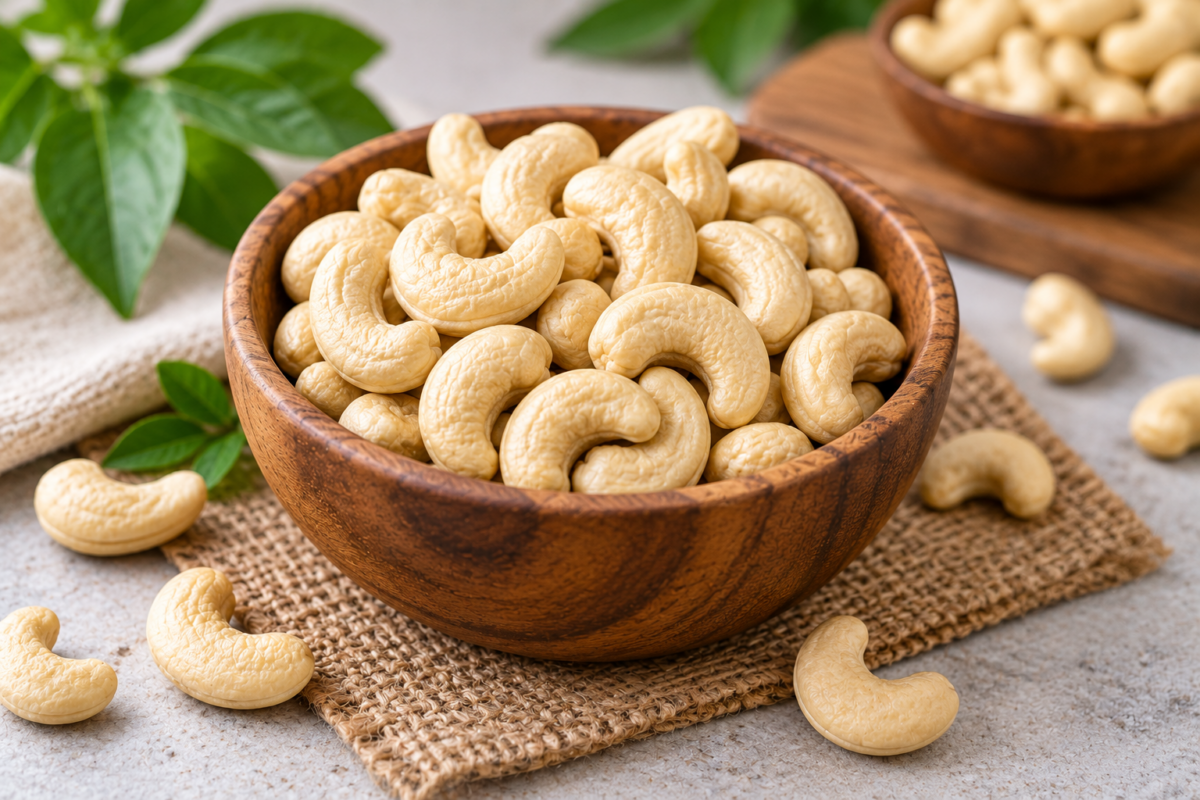
Cashews offer healthy fats, protein, and minerals like magnesium and zinc, making them a nutritious addition to a child’s diet. Their creamy texture and mildly sweet flavour make them a popular choice for homemade ladoos, energy bites, porridge, and snack mixes for slightly older children. When introducing cashews, serve them in an age-appropriate form and avoid whole nuts for young children due to choking risk.
Pistachios
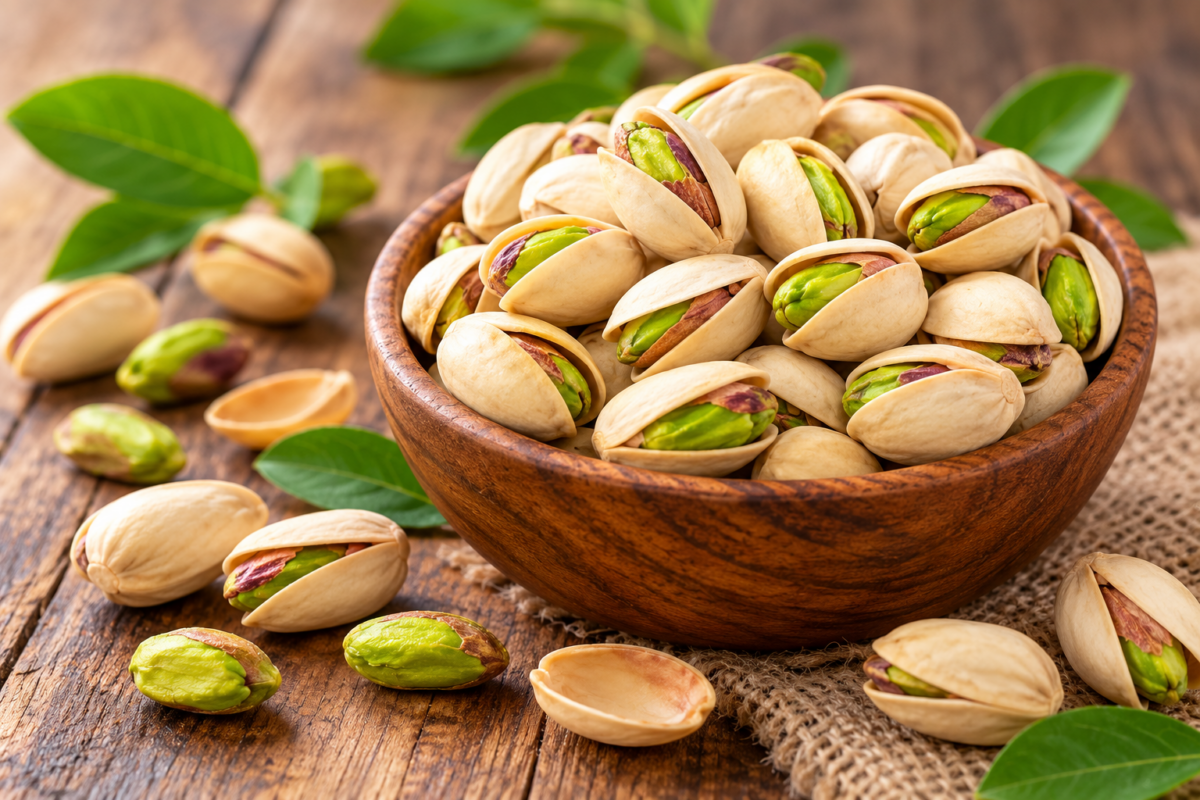
Pistachios provide protein, healthy fats, fibre, and important minerals in a small, naturally portioned bite. Their mild, slightly sweet flavour and satisfying crunch make them an enjoyable snack for older kids. They can be eaten on their own or added to homemade trail mixes, porridge, yoghurt, smoothies, and desserts. Pistachios also add variety to a child’s diet while providing nutrients that support growing bodies and active lifestyles.
Quick Reference: Dry Fruits for Kids by Age
| Age Group | Recommended Form | Examples | Key Safety Note |
| 6–12 months | Fine powder or runny paste | Almond, cashew, walnut powder; well-mashed dates | Never whole nuts or chunks |
| 1–3 years | Finely chopped, slivered, or nut butter | Soaked almonds, soft dates, soft raisins | Avoid whole nuts and hard dried fruit |
| 4–6 years | Crushed, chopped, or powdered | Cashews, pistachios, small walnut pieces | Whole nuts only with supervision, once ready |
| 7–12 years | Whole or lightly chopped, portioned | Mixed nuts, dried figs, berries | Supervise eating; avoid distractions |
This table is meant as a general starting reference — always adjust based on your own child’s needs and your pediatrician’s advice.
Key Nutritional Benefits of Dry Fruits for Kids
A few nutrients commonly associated with dry fruits are relevant to a child’s overall growth and development, though no single food replaces a varied, balanced diet.
Supports overall development: Almonds and walnuts contain vitamin E and plant-based omega-3 fats, nutrients often discussed in relation to normal growth and development in children.
Contributes to energy and immunity: Dates and raisins offer natural sugars and iron, which can help support energy levels in active kids as part of a balanced diet. Our article on dry fruits to boost immunity covers more on this topic generally.
Supports bone health: Cashews and almonds provide calcium, magnesium, and zinc, nutrients that play a role in normal bone development during childhood.
Safe Ways to Serve Dry Fruits to Kids
A few preparation methods make dry fruits considerably safer and easier for kids to eat at every age.
- Soak and peel: Soaking almonds overnight and peeling the skin makes them softer and easier to digest for younger kids.
- Use dry fruit powders: Blending nuts into a fine powder is one of the safest ways to introduce them to infants and very young toddlers, mixed into milk, porridge, or dough.
- Chop or puree finely: Finely chopping dates, figs, or raisins into oatmeal, yoghurt, or a smoothie works well for toddlers and preschoolers. Our article on how to eat dry fruits for breakfast has more ideas that work well for kids too.
- Always supervise: Regardless of age, a child eating nuts or dried fruit should be seated and supervised, not running around or distracted.
Dry Fruits for School Lunch Boxes
For school-age kids, a small portion of dry fruits makes a genuinely useful lunchbox addition, offering more sustained nutrition than many packaged snacks. A small container of mixed nuts, a few dates, or a handful of dried berries travels well and needs no special preparation.
Rotating a few different combinations through the week also helps avoid the lunchbox becoming repetitive, and it’s an easy way to introduce a wider variety of nutrients over time. Some parents also find it useful to plan lunchbox snacks a week ahead — lightweight tools such as Time Miner, which help track daily food habits, can make it easier to keep this consistent.
Common Mistakes to Avoid When Giving Dry Fruits to Kids
A few habits are worth avoiding when introducing dry fruits to children.
- Giving whole nuts too early: This remains one of the most common and preventable choking risks for young children.
- Skipping the one-at-a-time rule: Introducing several new dry fruits at once makes it harder to identify the cause if a reaction occurs.
- Over-relying on dried fruit for sweetness: While natural, dates and raisins are still sugar-dense, so moderate portions matter, especially for very young children.
- Leaving kids unsupervised while eating: Even older children benefit from a calm, seated environment when eating nuts or dried fruit.
Explore Kid-Friendly Dry Fruits from Kalratri
If you’re building a stock of dry fruits for your child’s diet, our nuts collection and dried fruits collection cover most everyday options. Our article on how to store dry fruits and nuts is also worth a read, since keeping them fresh matters just as much for kids’ snacks as for any other use.
Conclusion
Dry fruits for kids can be a genuinely nutritious addition to their diet, as long as the form, portion, and type are matched carefully to their age. From smooth powders for infants to lightly chopped nuts for school-age children, a little attention to safety goes a long way alongside the nutritional benefits.
If you’re building a dry fruit routine for your family, explore our range of almonds, walnuts, dates, and dried fruits from Kalratri Dry Fruits, and always check with your pediatrician for guidance specific to your child.
FAQs
Q.1. At what age can kids start eating dry fruits?
A: Dry fruits can often be introduced from around 6 months, but only in powdered or well-mashed forms, and it’s best to check with your pediatrician before starting.
Q.2. At what age can children eat whole nuts safely?
A: Most pediatric guidance suggests avoiding whole nuts until around age 4, and even then, only with supervision and once a child has developed reliable chewing skills.
Q.3. Are dates safe for babies?
A: Soft, well-mashed dates are sometimes introduced in small amounts after 8 months, but timing and portion size should be discussed with your pediatrician first.
Q.4. How many nuts should a 5-year-old eat daily?
A: A general reference point is a small portion, such as 2–3 cashews or pistachios, though this varies by child and is worth confirming with a pediatrician or nutritionist.
Q.5. Are dry fruit powders a safe way to introduce nuts to infants?
A: Yes, finely ground dry fruit powders are generally considered one of the safer ways to introduce nuts to infants and young toddlers, since they eliminate choking risk from whole pieces.