
Blog
Best Dry Fruits for Healthy Skin: Nuts, Berries and More

Key Takeaways
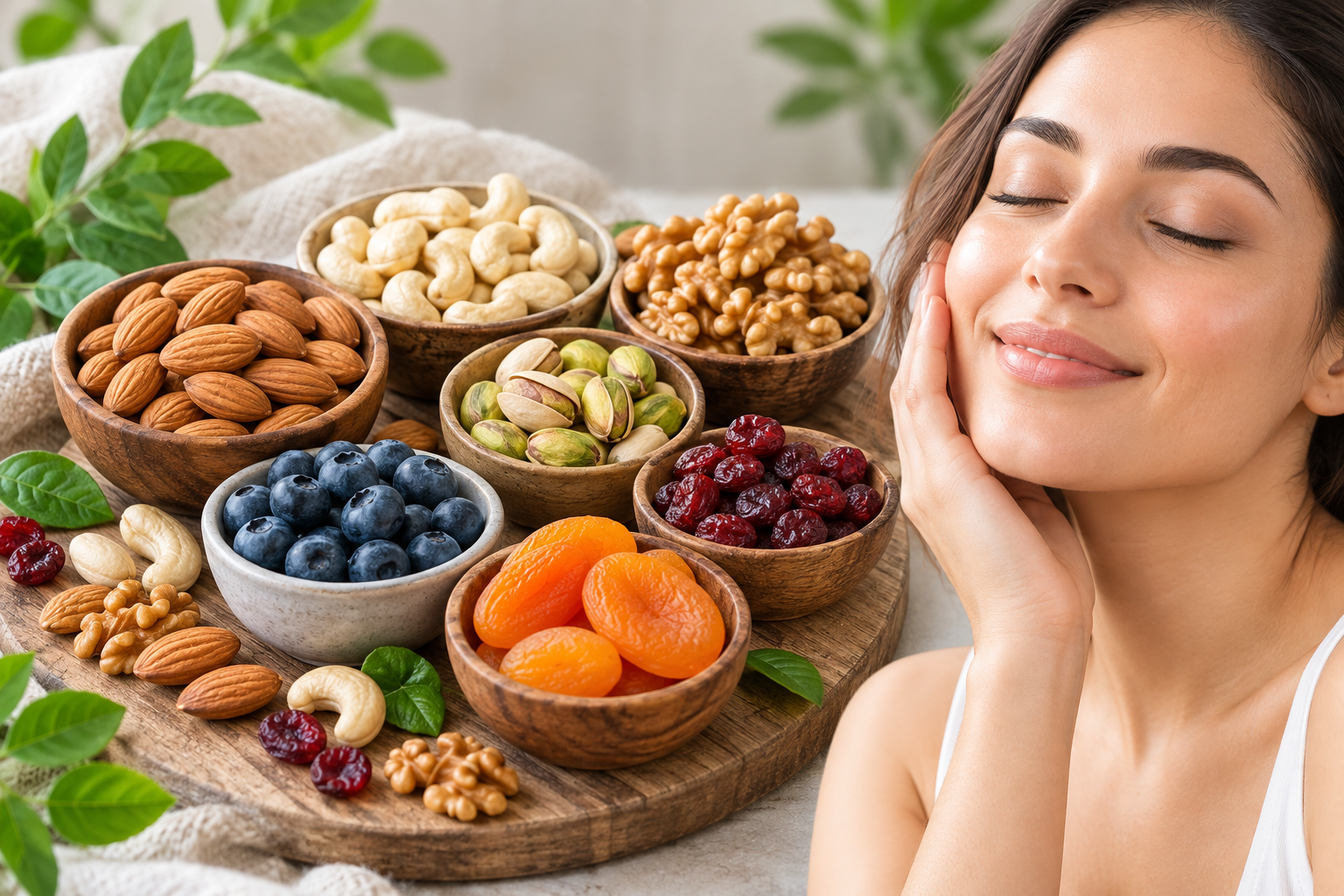
- Dry fruits for skin work best as part of an overall balanced diet, not as a standalone fix for specific skin concerns.
- Almonds, walnuts, berries, and seeds offer healthy fats, vitamin E, and antioxidants that can support general skin health.
- No single food cures acne, pigmentation, or wrinkles — skin health depends on a combination of diet, hydration, sleep, and lifestyle.
- Moderate daily portions, added consistently over time, matter more than eating large quantities occasionally.
- Diet is one piece of the picture — hydration, rest, and sun protection all play an important role alongside what you eat.
Good skin is often talked about in terms of expensive creams and treatments, but everyday nutrition plays a quieter, equally important role. This is where dry fruits for skin come into the conversation, since many nuts, seeds, and dried fruits are naturally rich in the nutrients associated with overall skin health.
This guide looks at which dry fruits are worth including in your diet, the nutrients that matter most, and how they fit into a broader, balanced lifestyle. For a wider look at everyday nutrition, our article on the health benefits of eating dry fruits daily covers more than just skin. It’s worth setting expectations early: no single food will give you flawless skin, but the right everyday choices can genuinely support your skin from the inside.
Can Diet Support Healthy Skin?
Diet is one of several factors that influence how your skin looks and feels over time, alongside genetics, hydration, sleep, and skincare habits. Nutrients like healthy fats, vitamin E, and antioxidants are commonly associated with supporting the skin’s natural barrier and overall appearance.
That said, it’s important to be realistic. No food, including dry fruits, can cure acne, erase pigmentation, or reverse wrinkles. What a balanced diet can do is support your skin as part of your everyday health, working alongside good hydration, adequate sleep, and sensible sun protection.
Nutrients That Are Important for Overall Skin Health
A few nutrients come up repeatedly in conversations about skin health, and many of them are found naturally in dry fruits and nuts.
Healthy fats: Monounsaturated and polyunsaturated fats, found in nuts like almonds and walnuts, are associated with maintaining the skin’s natural moisture barrier.
Vitamin E: This antioxidant vitamin, abundant in almonds, is often linked to protecting skin cells from everyday environmental stress.
Antioxidants: Compounds found in berries and certain nuts help the body manage everyday oxidative stress, which is generally considered supportive of overall cellular health, including skin cells. Antioxidant-rich foods are also covered in our guide on dry fruits to boost immunity, since the two areas often overlap.
Hydration as part of overall lifestyle: No amount of healthy eating fully compensates for poor hydration. Drinking enough water throughout the day remains one of the most basic, foundational habits for skin health.
Best Dry Fruits and Nuts for Healthy Skin
A few dry fruits stand out for the nutrients they bring to the table, each contributing something slightly different to an overall balanced diet.
Almonds
Almonds are one of the richest natural sources of vitamin E, an antioxidant that supports the skin’s natural barrier against everyday environmental stress. Their healthy fat content also contributes to the skin’s moisture balance as part of a varied diet.
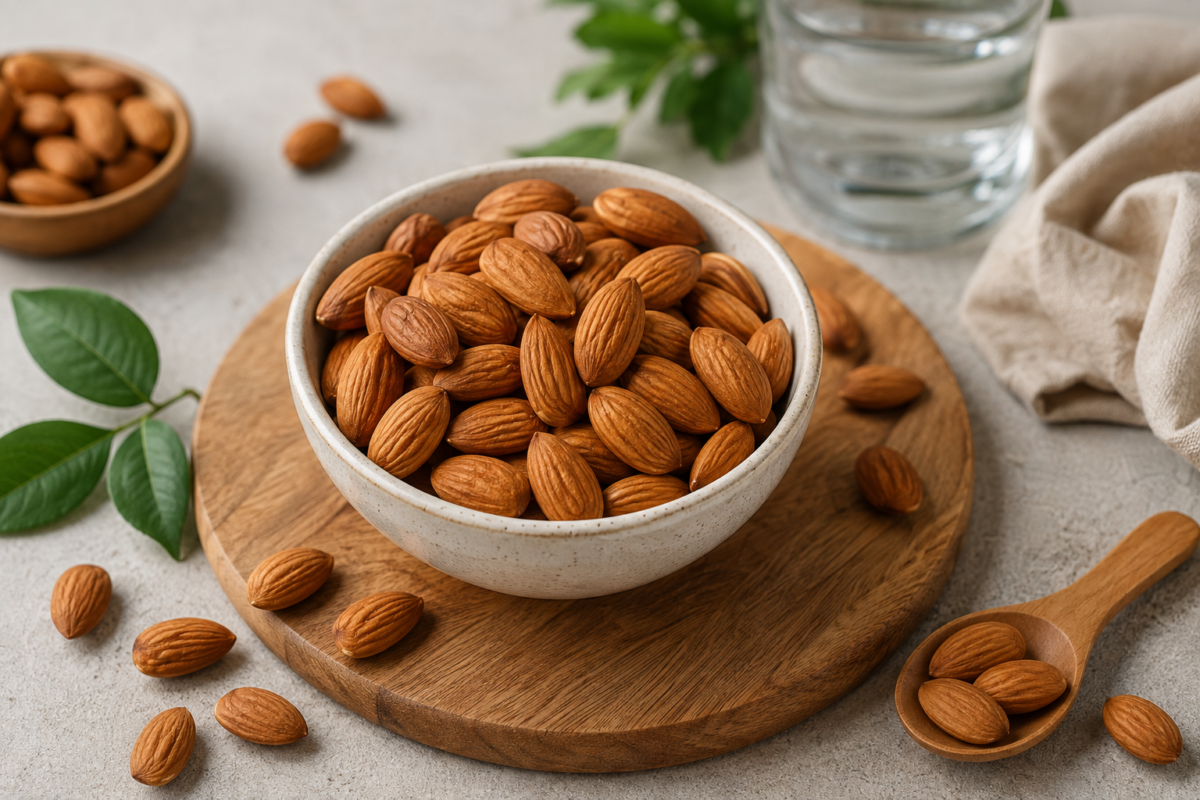
A small handful of almonds, whether raw or soaked, is an easy way to include this nutrient in your daily routine.
Walnuts
Walnuts are notable for their plant-based omega-3 fatty acid content, a type of healthy fat associated with supporting the skin’s moisture barrier. This makes them a useful addition alongside almonds in a nut-based snacking routine.
Cashews
Cashews bring minerals like zinc and copper to the table, both of which play a role in the body’s normal skin maintenance processes. Their creamy texture also makes them an easy, satisfying addition to a daily nut mix.

Berries
Dried berries, such as cranberries and blueberries, are a good source of antioxidants, compounds that help the body manage everyday oxidative stress. Their naturally tart flavour also makes them an easy way to add variety to your diet.
Dried Apricots and Raisins
Dried apricots are a source of vitamin A, a nutrient generally associated with normal skin cell turnover, while raisins contain antioxidant compounds similar to those found in berries. Both are easy, naturally sweet additions to a balanced diet.
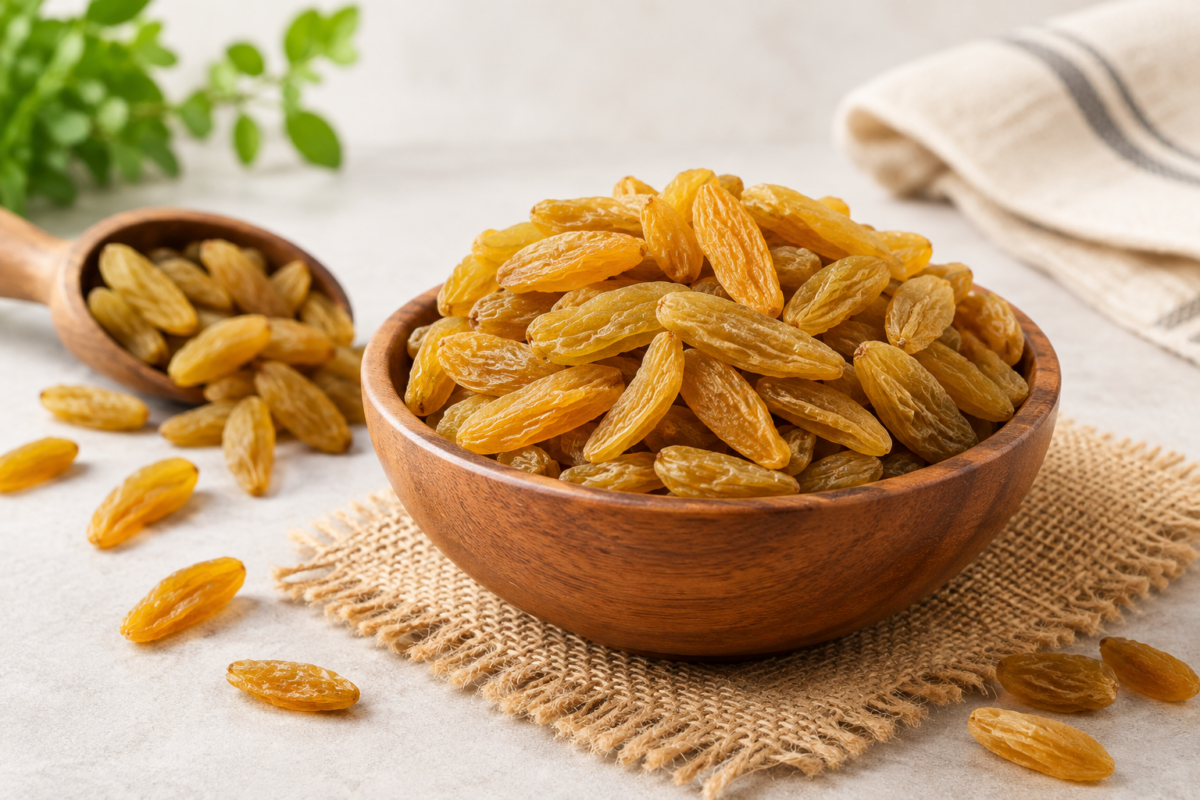
A small portion of either, added to your regular routine, is an easy way to bring more variety into your everyday nutrition.
Seeds
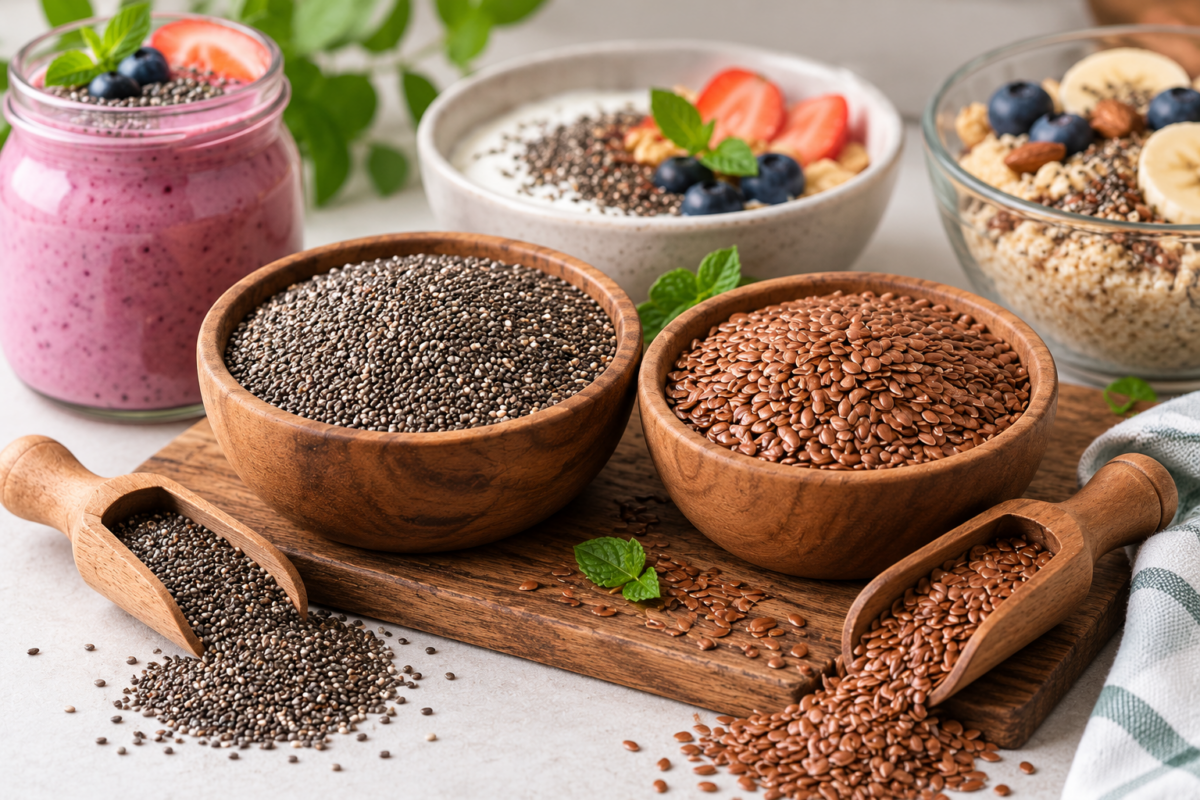
Seeds such as flax and chia are a source of healthy fats and fibre, both of which contribute to a well-rounded, nutrient-dense diet. They’re easy to add to smoothies, curd, or breakfast bowls without much extra effort.
Easy Ways to Include These Foods in Your Daily Diet
Adding these dry fruits to your diet doesn’t require a complete lifestyle overhaul. A few simple habits make it easy to stay consistent:
- Add to breakfast: A handful of nuts or a spoon of berries stirred into oats or yoghurt is a simple daily habit. Our guide on how to eat dry fruits for breakfast covers more ideas along these lines.
- Keep a snack mix ready: A small, pre-portioned mix of nuts, seeds, and berries makes for an easy, grab-and-go option during the day. If portion control is also a priority for you, our guide on dry fruits for weight management covers this in more detail.
- Blend into smoothies: Soaked almonds, seeds, or a few berries blend well into a morning smoothie.
- Use in place of processed snacks: Swapping a packaged snack for a small portion of dry fruits is a simple, sustainable change for many people. Our article on dry fruits for energy covers more on how they fit into an active daily routine.
Building a repeatable routine, rather than eating large amounts occasionally, tends to work better for long-term consistency. Some people also find it helpful to plan their daily nutrition ahead of time — lightweight tools such as Time Miner, which help track everyday food habits, can make this easier to stick to.
Other Lifestyle Habits That Support Healthy Skin
Diet is just one part of the picture. A few other everyday habits play an important role in overall skin health, alongside what you eat:
- Hydration: Drinking enough water throughout the day supports overall skin health and is one of the simplest habits to maintain.
- A balanced diet: Including a variety of vegetables, whole grains, and protein alongside nuts and dried fruits supports overall nutrition, not just skin health.
- Sleep: Adequate, consistent sleep is widely associated with general wellbeing, including how skin looks and feels day to day.
- Sun protection: Using sunscreen and limiting excessive sun exposure is one of the most well-established habits for protecting skin over the long term.
None of these habits work in isolation, and none replace the need for professional advice if you’re dealing with a specific skin concern. Together, though, they form a sensible, realistic foundation that dry fruits can be a genuinely useful part of.
Conclusion
Nuts, berries, and seeds each bring something useful to the table when it comes to everyday nutrition, from healthy fats and vitamin E to antioxidants. While no single food will give you flawless or glowing skin overnight, including a moderate, consistent portion of these dry fruits can be part of a balanced diet that supports your overall wellness, skin included.
If you’re ready to build this habit, explore our range of nuts, berries, and seeds from Kalratri Dry Fruits and find the combination that fits naturally into your daily routine.
FAQs
Q.1. Which dry fruits are best for skin health?
A: Almonds, walnuts, berries, and seeds are commonly associated with skin-supportive nutrients like healthy fats, vitamin E, and antioxidants.
Q.2. Can dry fruits cure acne or pigmentation?
A: No. Dry fruits can be part of a balanced diet that supports overall skin health, but they don’t cure specific skin conditions. Persistent concerns are best discussed with a dermatologist.
Q.3. How many almonds or walnuts should I eat daily for skin health?
A: A small handful, similar to a general daily snacking portion, is reasonable for most adults as part of a balanced diet.
Q.4. Do dry fruits alone give you glowing skin?
A: No single food guarantees glowing skin. Overall nutrition, hydration, sleep, and sun protection all play a role alongside diet.
Q.5. Are berries good for skin health?
A: Dried berries contain antioxidants that may support the body’s handling of everyday oxidative stress, making them a useful addition to a varied, balanced diet.